
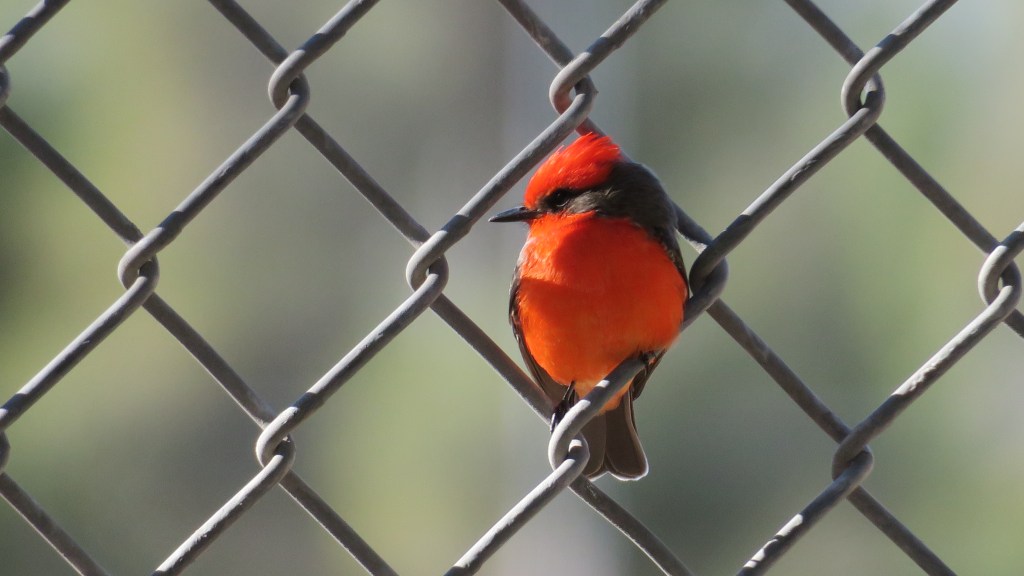
If you are new to birding and in Tucson, the place to go is Reid Park. You might be asking, “what the fuck?”, but, believe it or not, Reid Park is one of Tucson’s best eBird hotspots; there are 243 different species on record there.
In this post, I’ll be combining some info and pics from two separate outings: one at sunset and another in the morning, as well as some film photos from the past couple of years. I’ve found that the best time to go to Reid is in the morning, before 11 or so, when bird siesta time begins. However, the best part of Reid is that you will see birds no matter when you go. It’s a prime duck zone 24/7.
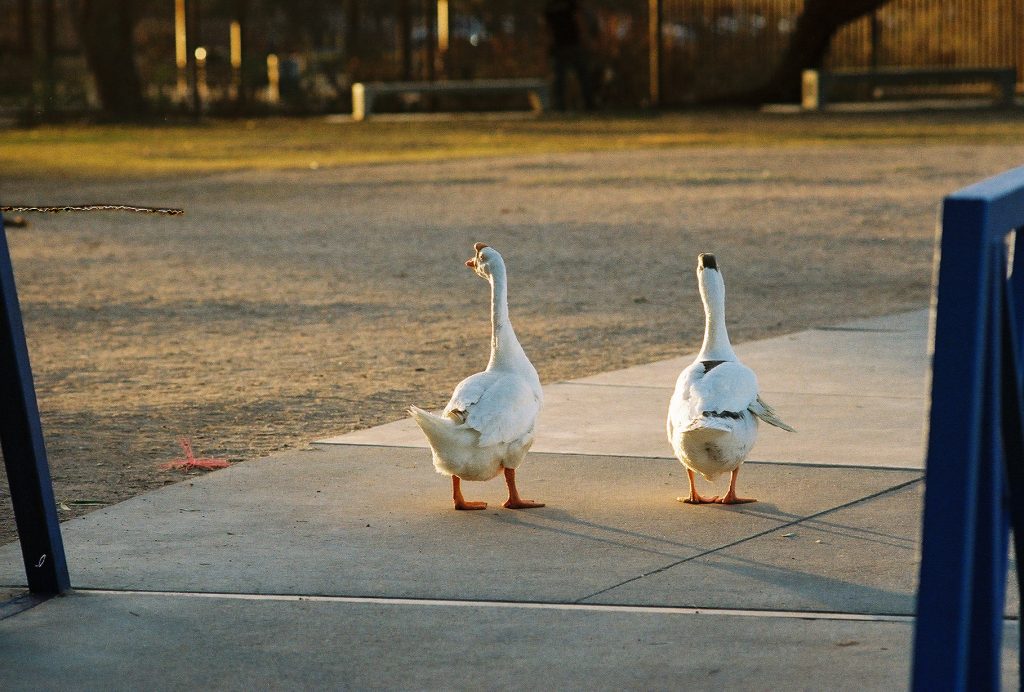
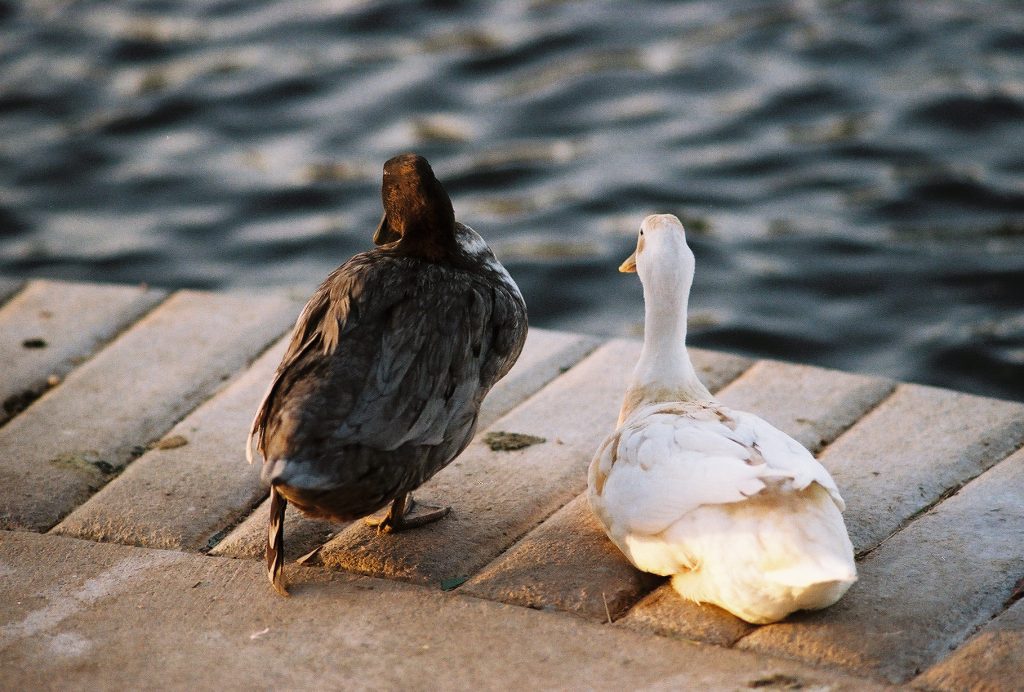
In 2020 when I picked up film photography, one of my first rolls of film was shot at Reid Park. This is where I started my “best friends” series, where I photograph bird pairs that are best friends. I hope to make a future zine of these pics, so stay tuned!
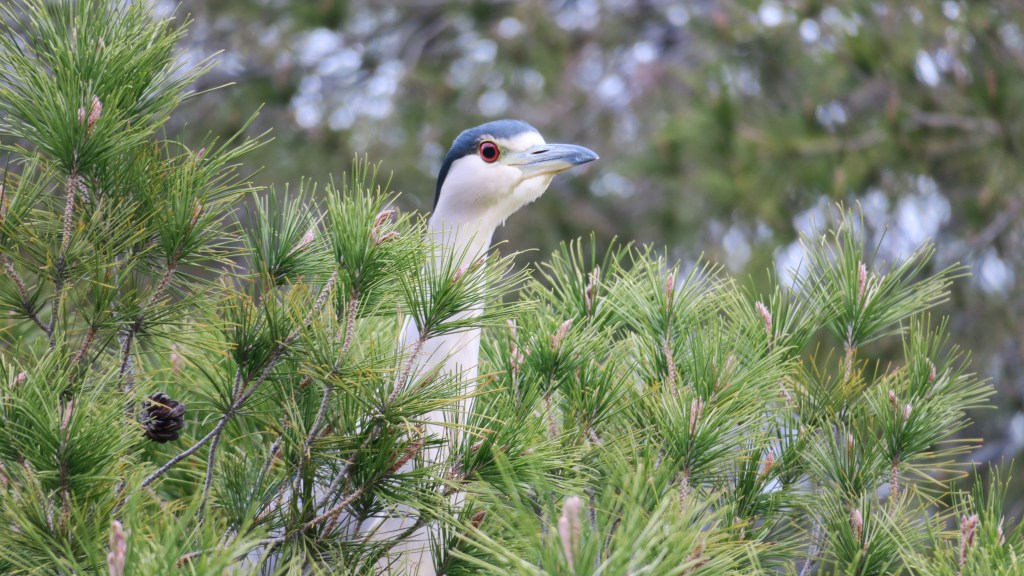
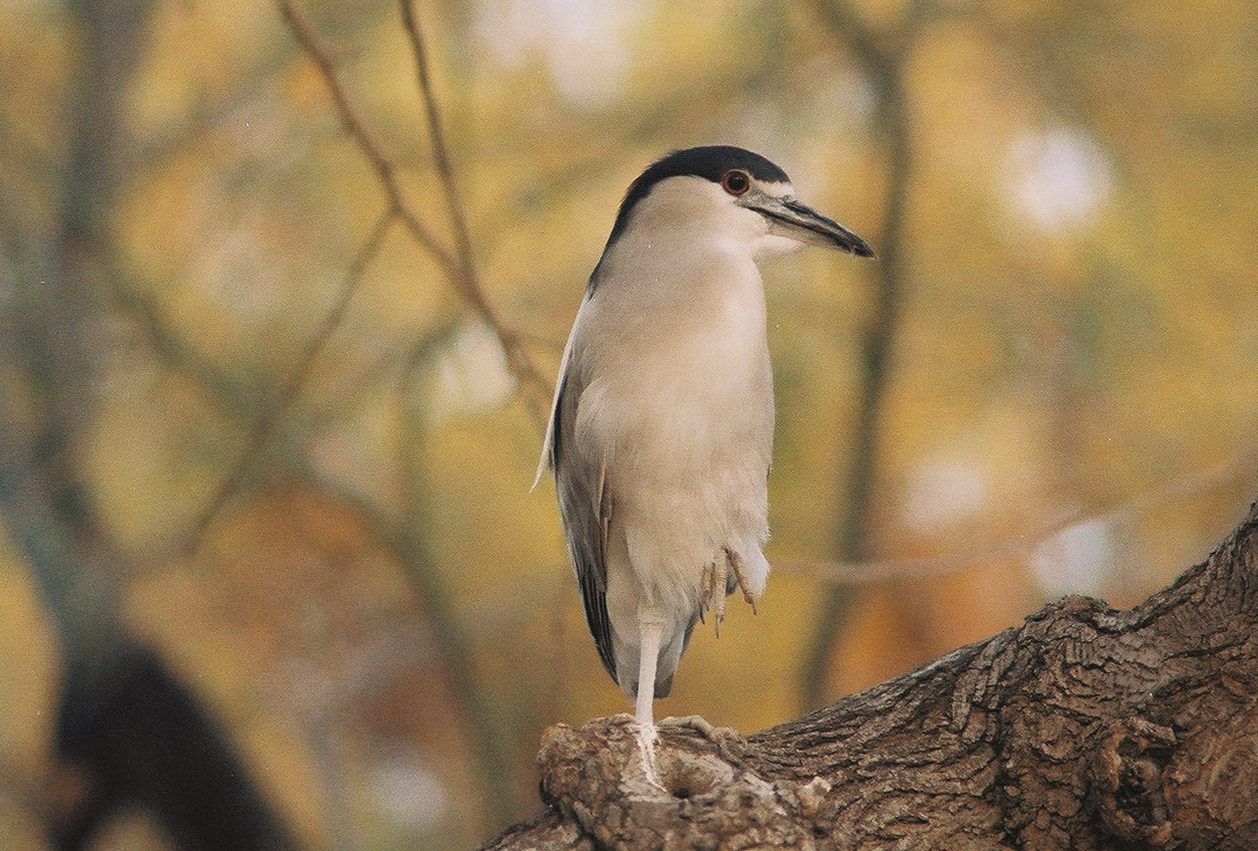
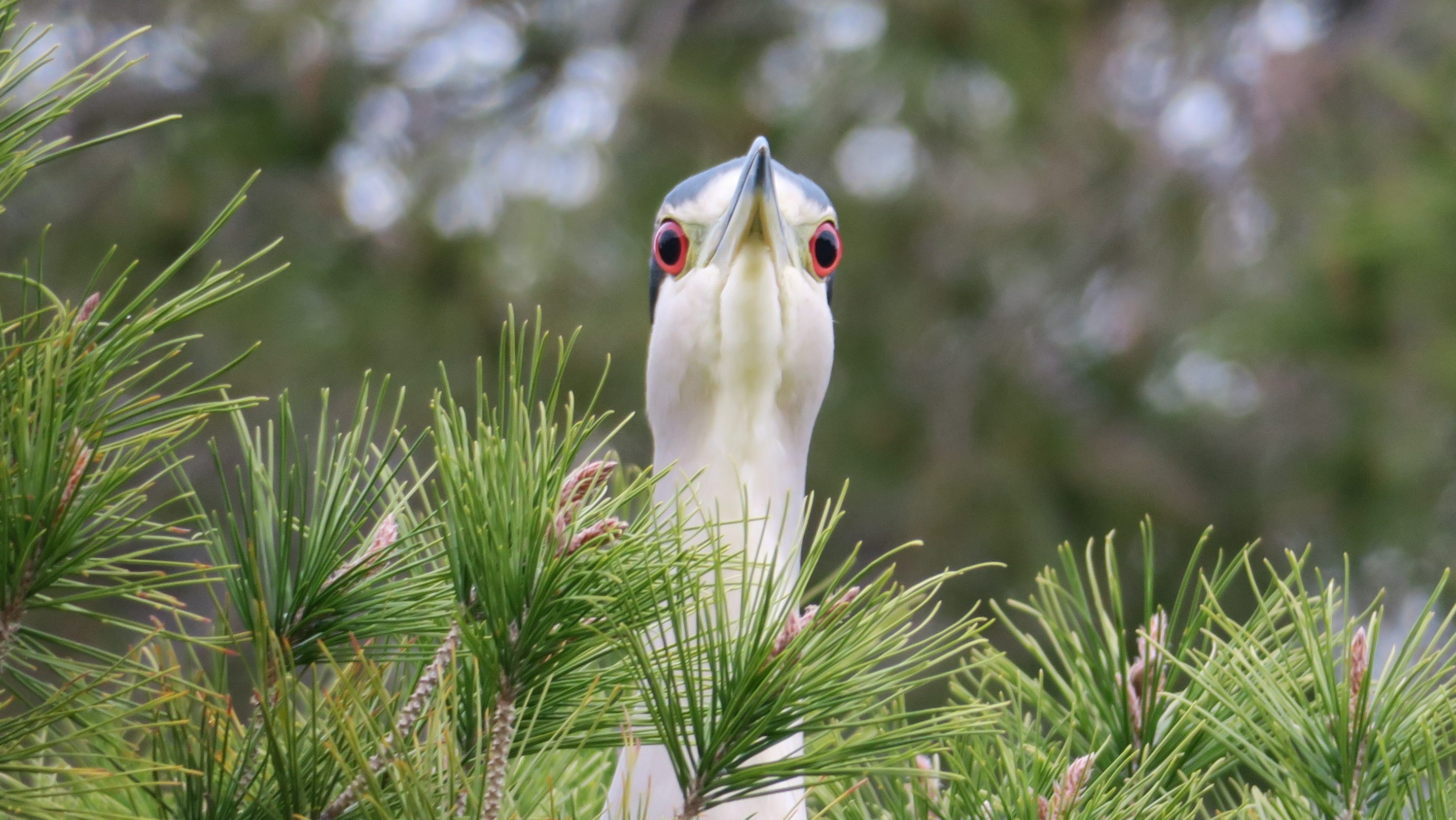
One of my favorite perma-residents of Reid Park are Black Crowned Night Herons. BCNHs are extremely widespread across the Americas, and are frequently found in urban areas. They are on the very stocky side for herons, and, like other herons, spend much of their time at water’s edge, searching for snacks.
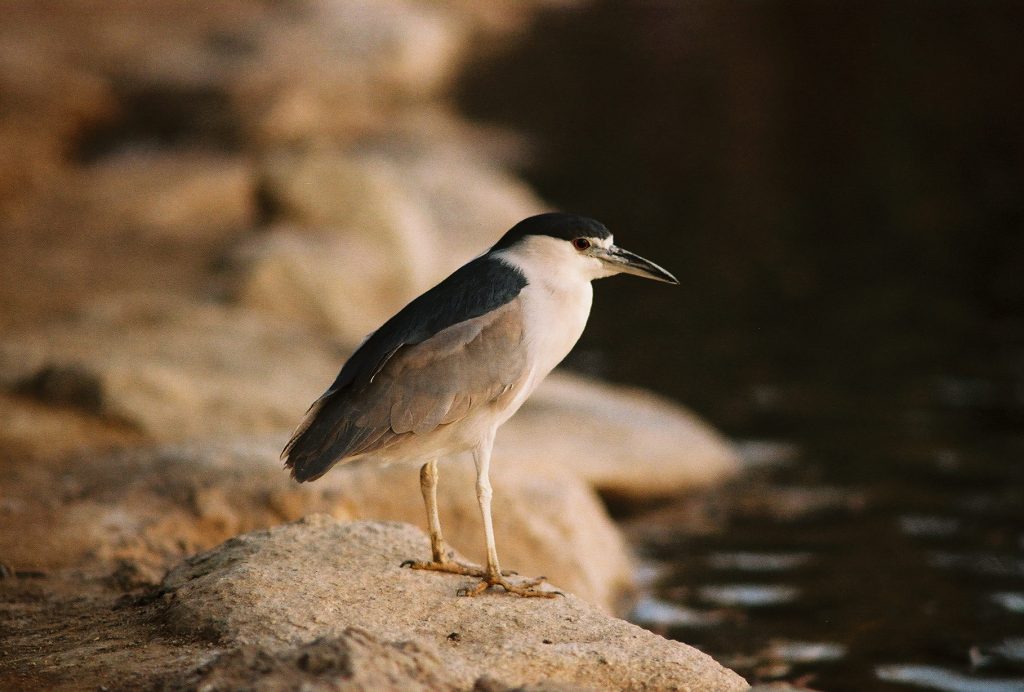
BCNHs are relatively comfortable around people, so are an easy target for photography. Here is a glamour shot I took of one on Portra 400 a couple of years ago.
If you’ve made it this far in this post–sorry. I love BCNH and I have a glut of photos of them, so here are more:
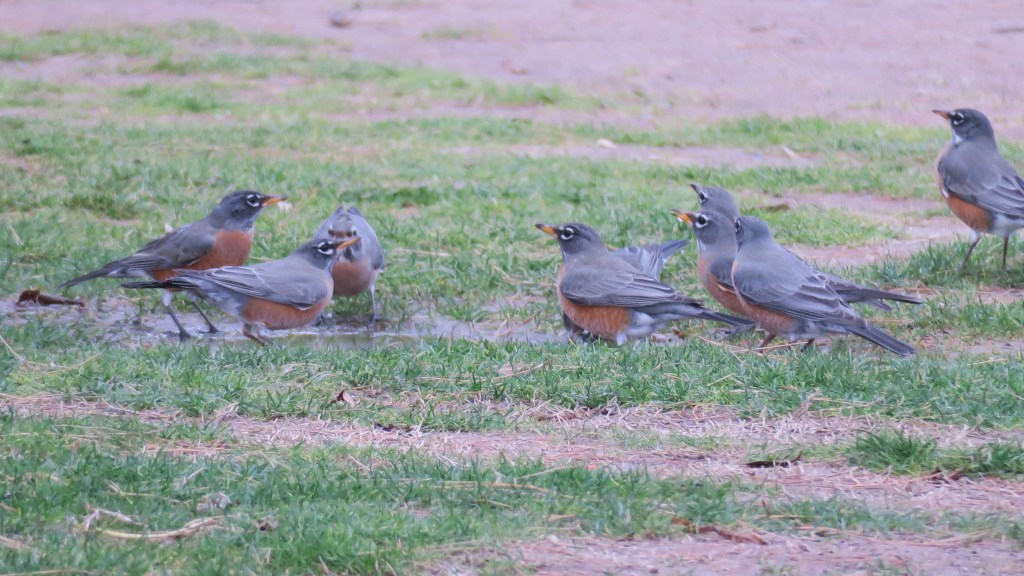
One unusual thing we saw was a group of American Robins, enjoying water. This flock of ARs was around at all of my Reid visits this winter. I had never seen more than one at a time, so this was cool.
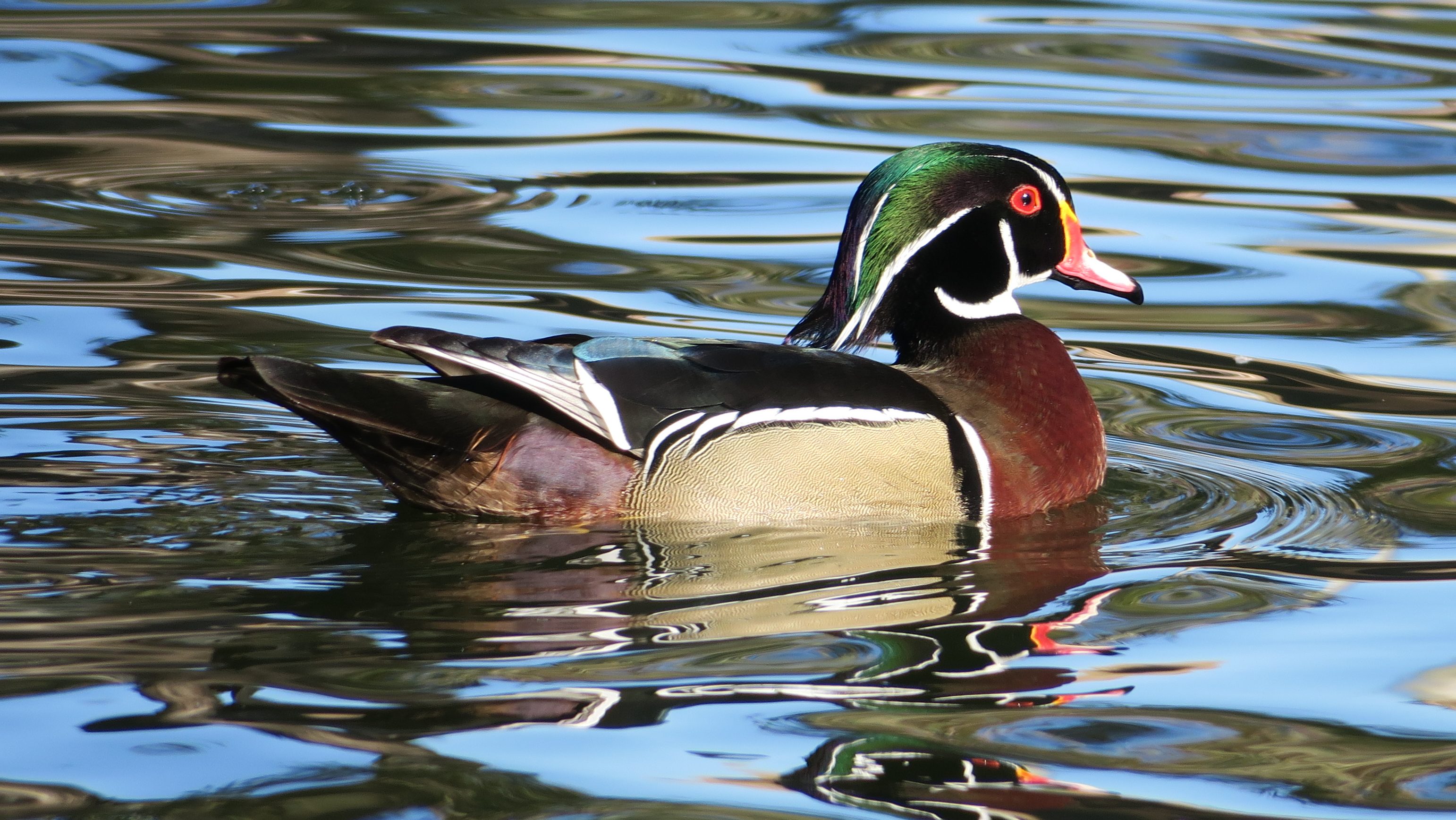
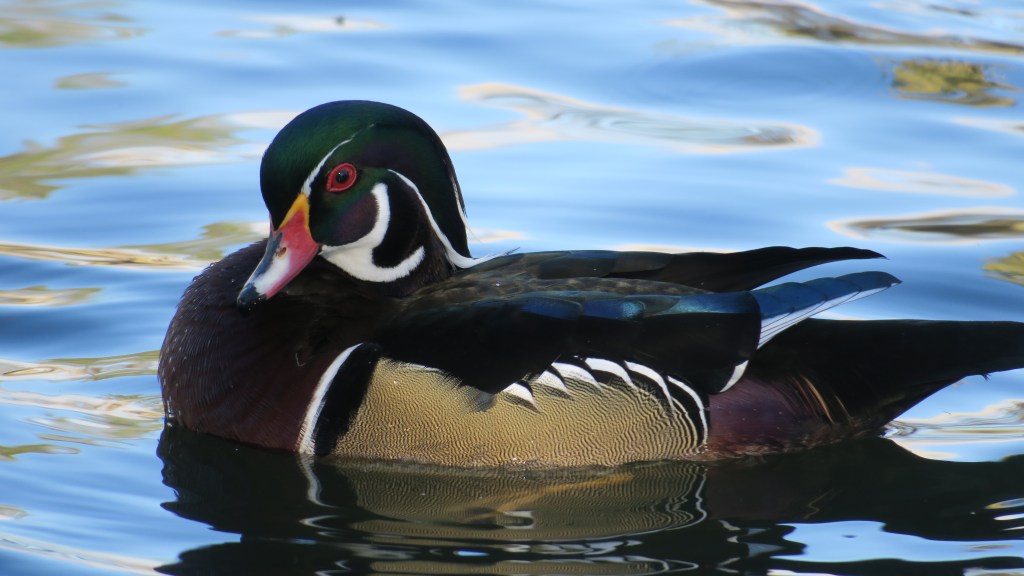
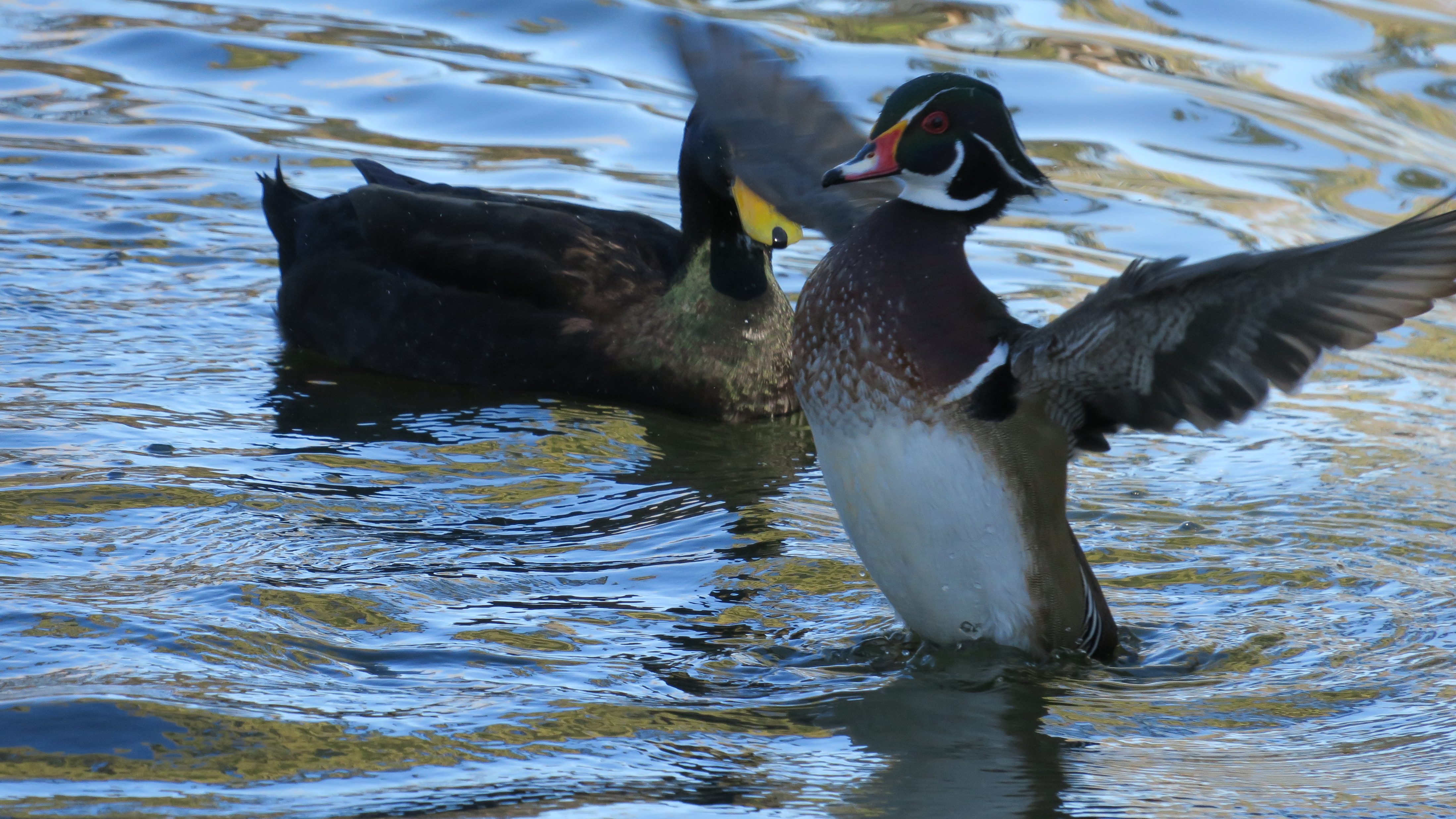
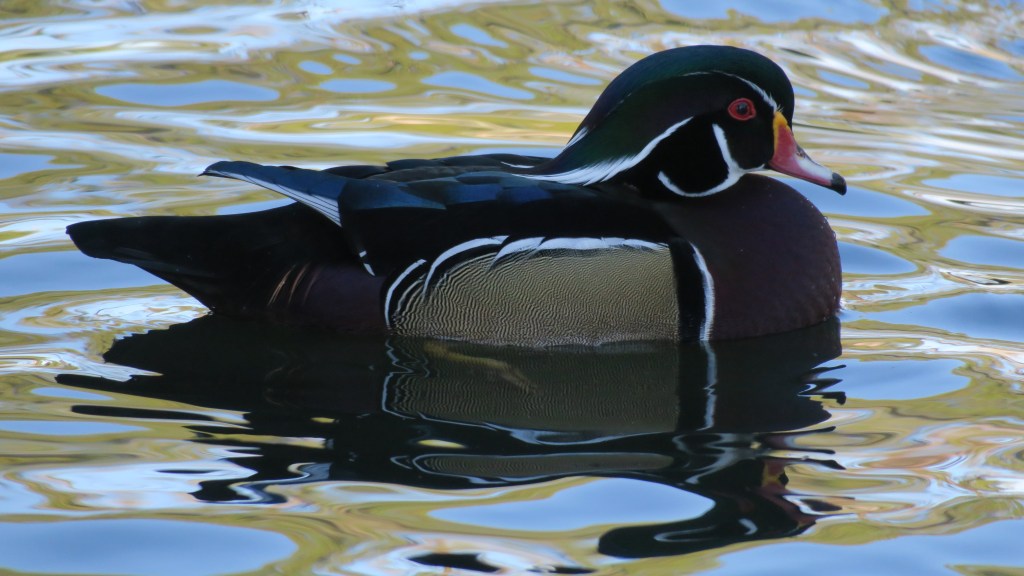
Right now, Reid has two extremely special guests: Wood Ducks.
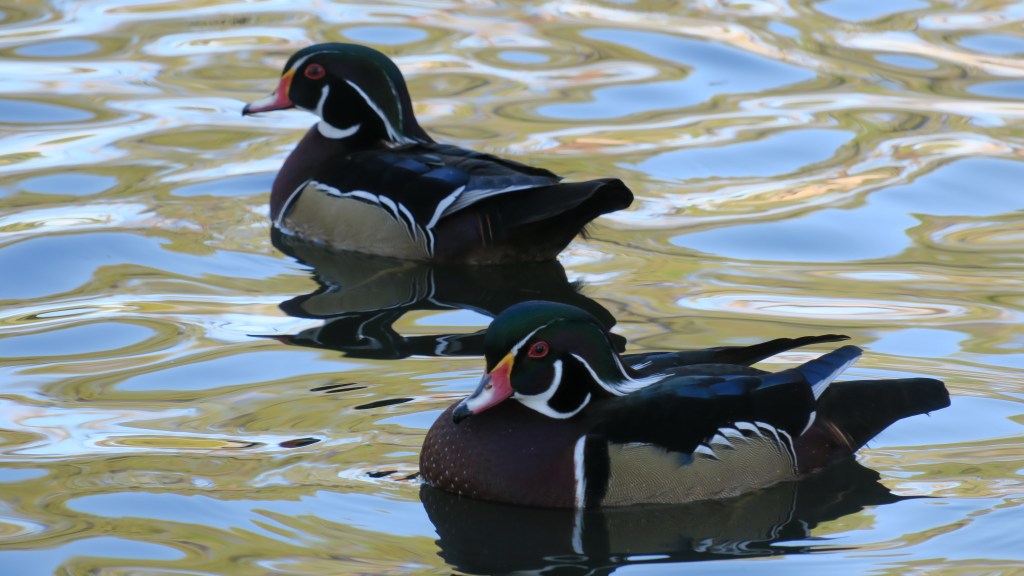
These Wood Ducks are now-established residents at the park, and usually hang out in the smaller pond. Last year, I was elated to see one WD, but this year, he has been joined by another male (and, rumor has it, a female, but I didn’t get to see her 😞). Upon seeing a WD for the first time, I audibly gasped. How on Earth does something so beautiful and intricate exist? It’s no surprise that WDs are frequent subjects of paintings, sculptures, etc. Their stunning plumage and mullet are unreal. In much of the country, he can be found (with ease), but he is a treat to see in Tucson. Definitely see him ASAFP.
Between these two Reid Park outings, I saw 16 species, bringing my 2023 total to 64. My life list remains unchanged, at 363.
 join me on a wild goose chase
Leave a comment