
Perhaps motivated by my own sorrow about climate change, or my own desire to feel anything close to hope, I am writing an un-funny post about the Ivory-billed Woodpecker, an American aviary marvel who has been the white whale of scientists and bird lovers for nearly a century. After seeing a sculpture of an Ivory-billed Woodpecker over the alligator enclosure at the California Academy of Sciences, I was heartbroken to learn that in 2021 this species was declared extinct–a casualty of climate change, deforestation, and hunting. Over a year later, I did what I am wont to do: searching the internet high and low for proof of a creature whose existence is confirmed only through stories, low-res YouTube videos, and collective belief. To my surprise, this rabbit hole led to a discovery of real hope with compelling evidence; I am now a Lord God Bird truther.
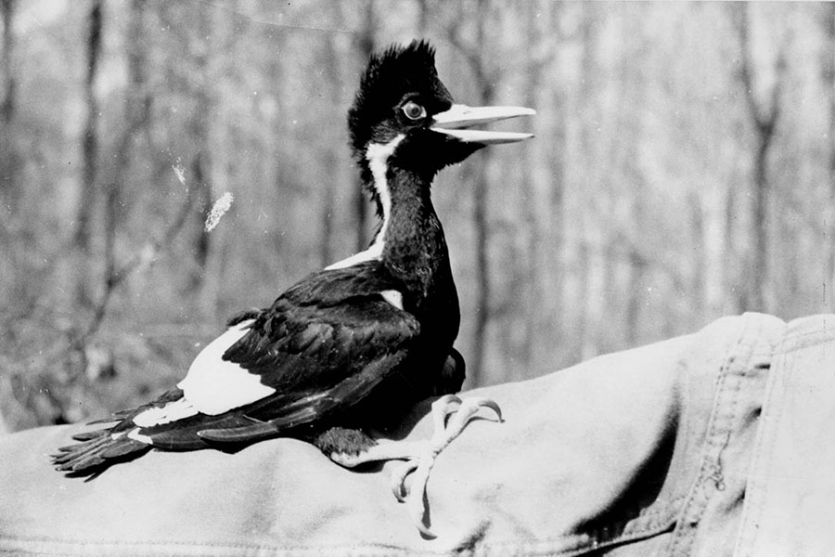
The Ivory-billed Woodpecker is the largest woodpecker in the United States and the third largest in the world. Its size and beauty prompted the widely-known nickname (and even Sufjan Stevens song) “the Lord God Bird”. Once abundant in the American Southeast and Cuba, logging, hunting, and deforestation destroyed its lowland forest and bayou habitat. Its population decline coincided with the arrival of colonial European settlers. The IBW is important in many indigenous cultures throughout the United States. In Muscogee culture, woodpeckers are medicine birds, and the cvkvlv, or Ivory-billed Woodpecker, has played an especially significant role in Traditional Muscogee medicine practice (I really enjoyed this article by Suzan Shown Harjo).
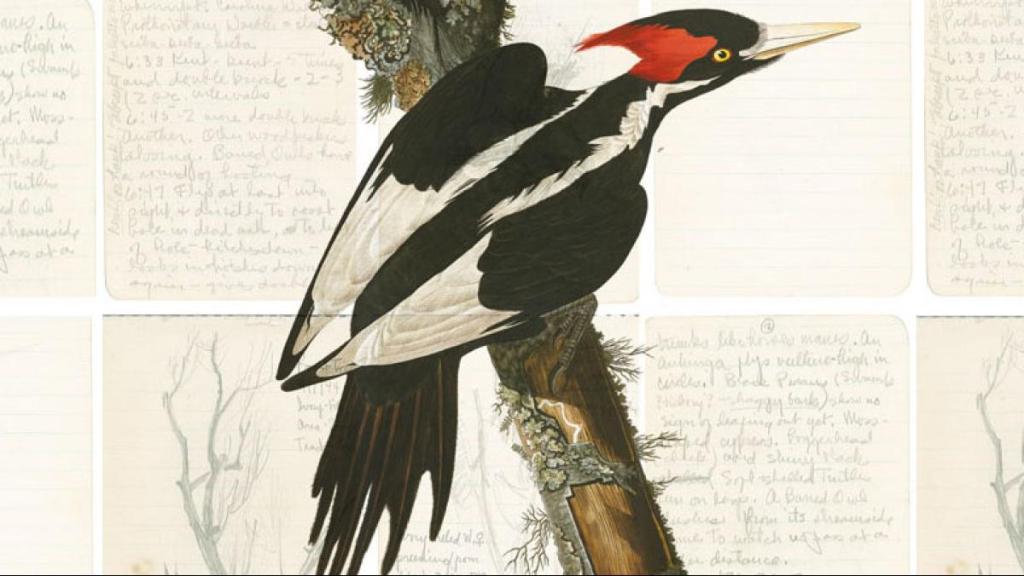
The Ivory-billed Woodpecker’s last confirmed sighting was in Louisiana, in 1944, but in 2004, a team of scientists reported seven sightings of the bird in Arkansas, prompting further searches. Since then, a slew of sightings have been reported, but nothing as concrete as its 1944 sighting.
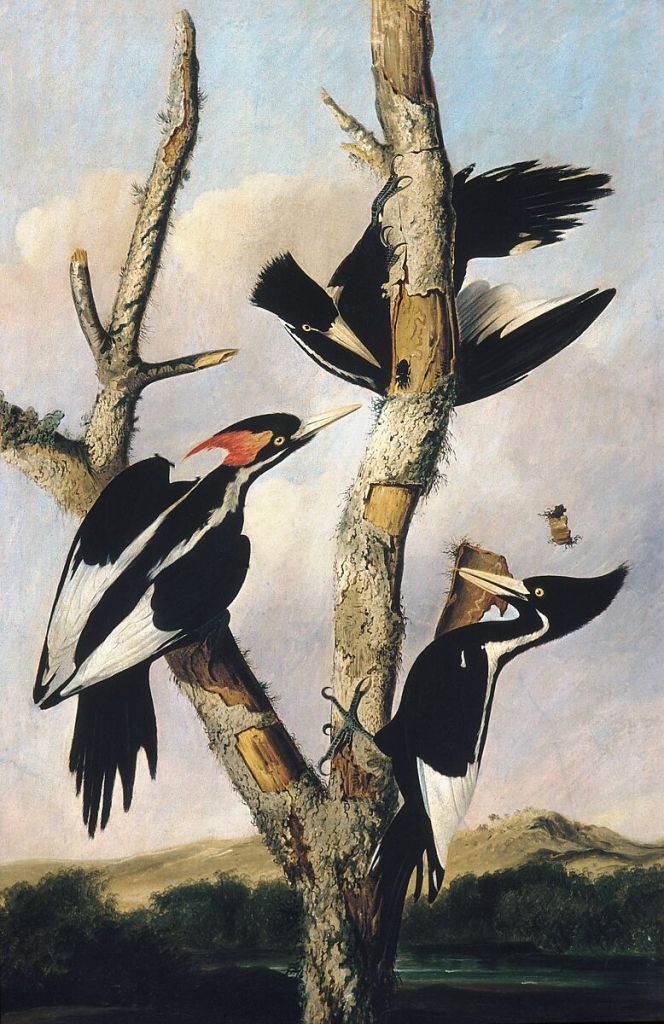
After decades of inconclusive evidence, in 2021 the Ivory-billed Woodpecker was removed from the Endangered Species List and declared extinct. This decision upset conservationists, as it may lead to the lessening of measures in place to preserve its habitat, thereby possibly causing the IBW’s extinction. The outcry from believers in the Lord God Bird prompted a review of evidence to possibly reinstate the Woodpecker to the Endangered Species List. After an extension, the final decision regarding the accepted existence of Ivory-billed Woodpeckers is set for March 2023. Unless definitive proof is found–a video, a photo, even a feather– the Lord God Bird may be declared dead forever.
In the wake of this extension, Project Principalis, a search for the IBW, released compelling new video, sound, and further scientific evidence proving the IBW is alive. I recommend checking out all of the evidence for yourself and believing, too.
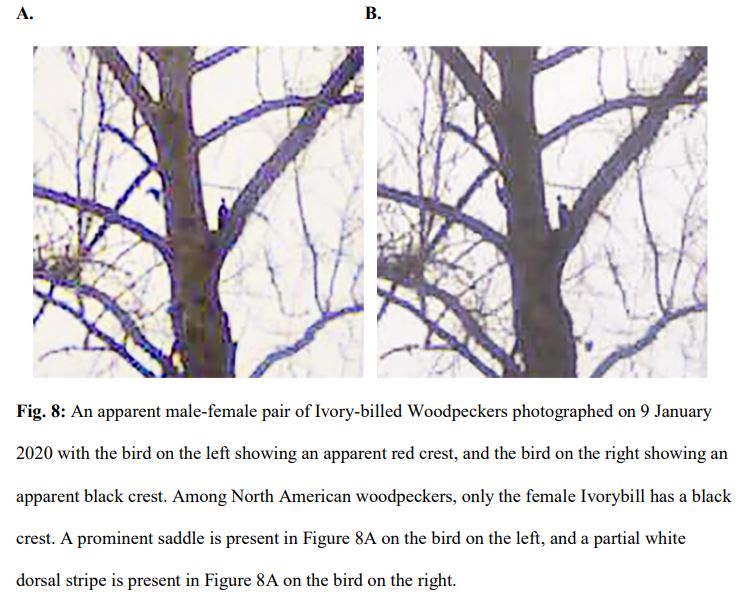
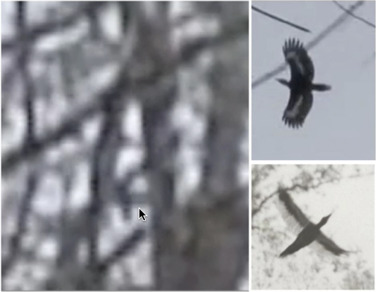
Hope is held on in small and large ways: the Wikipedia page only describes the IBW in the present tense, groups are staging expeditions, articles and appeals are being published.
“Their ongoing existence, not unlike the Indigenous peoples of the Americas, is a remarkable testament to resilience and survival. Despite the destruction of their habitat, and the attempted destruction of our language, histories and culture, we are still here – relatives, feathered and two-legged, and here we will remain.”
Lokosh (Joshua D. Hinson) of the Chickasaw Nation (via Oklahoma Magazine)
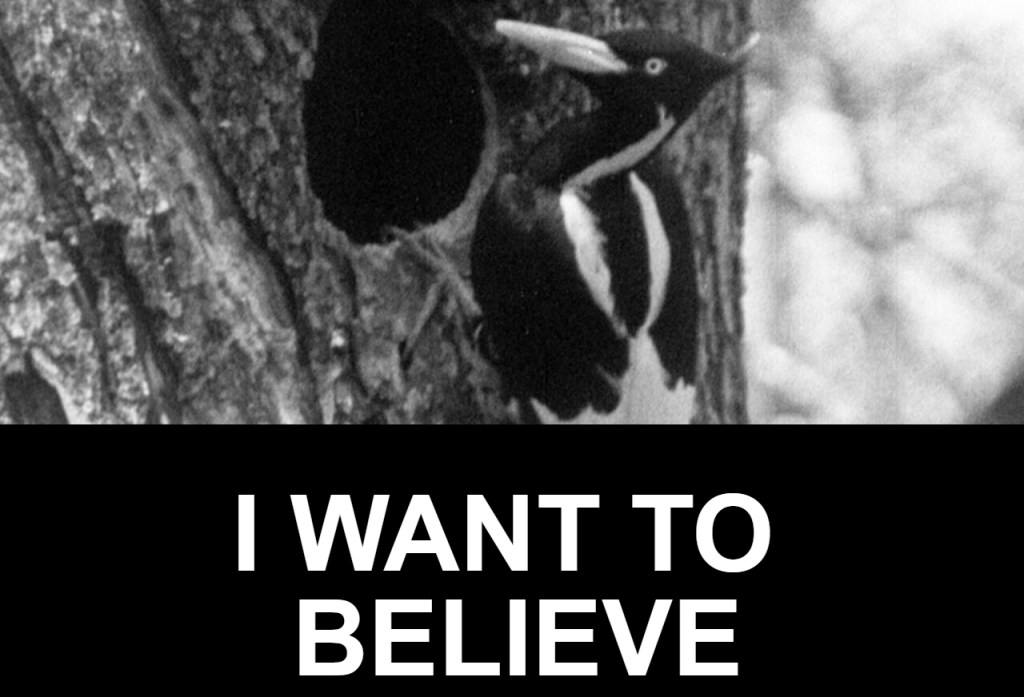
Extinct or not, the massive outcry and search for the Ivory-billed Woodpecker moves me deeply. Whatever in us as humans that desires to be stewards for the environment and its inhabitants big and small has somehow not been totally beaten out of us by capitalism, toxic American individualism, and nihilism in the face of impending climate doom. I believe that the Lord God Bird is still out there, because I want to believe.
 join me on a wild goose chase
Leave a comment