
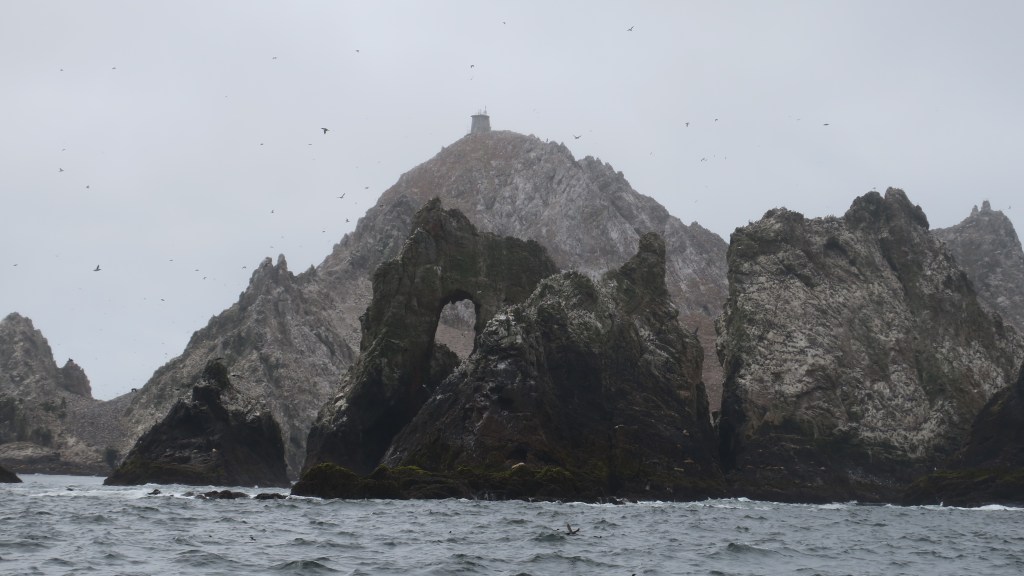
Hi, it’s been a while! I’m drafting a post about what was going on for me bird wise the past few months and hope to be fairly regular about posting again. Yesterday, I went on a day trip by boat to the Farallon Islands, the #1 eBird hotspot in the state of California!
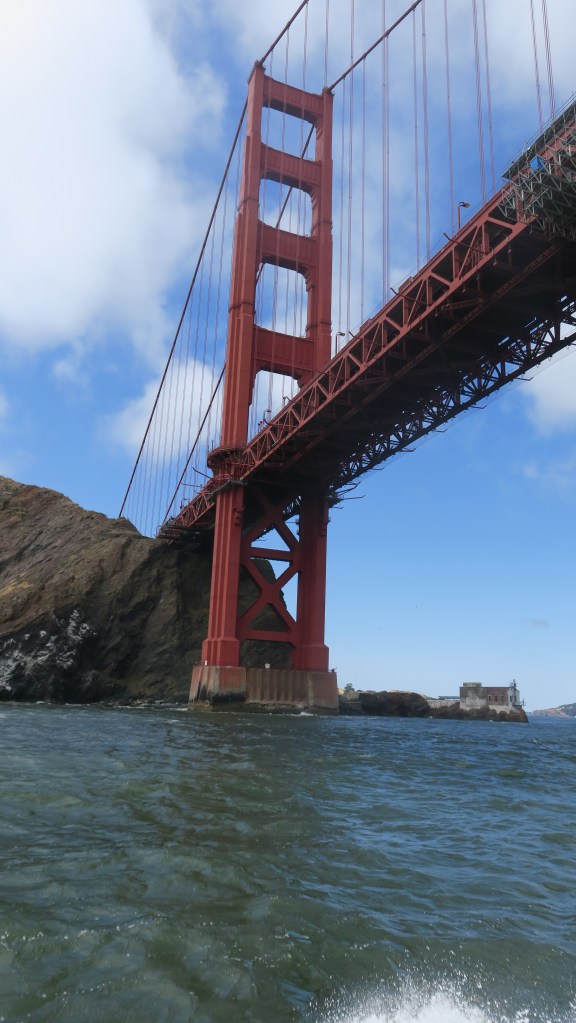
The Farallon Islands are a group of small rocky islands about 48 miles beyond the Golden Gate Bridge. They are god tier birding as they host the largest breeding colony of seabirds in the continental US. 25% of California’s breeding seabirds, with more than 300,000 individuals of 13 species, can be found there.
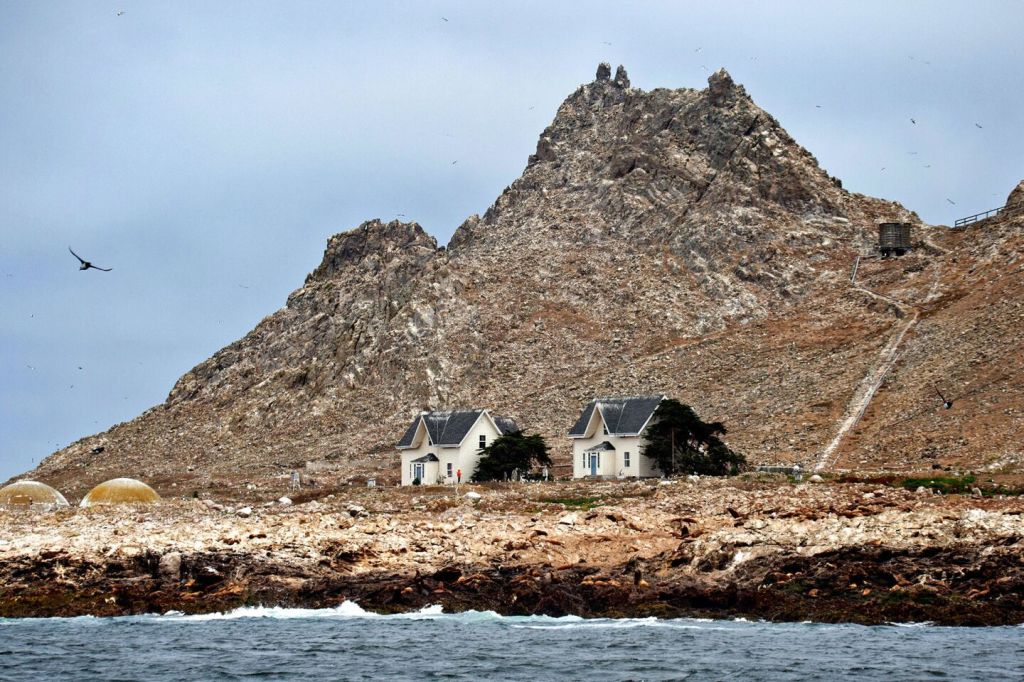
The Farallons are closed to the public and the only people who can set foot or stay there are the scientists staying in these weird little Victorian houses (must be nice). You can tell this picture wasn’t taken by me because it’s high-res and in focus (credit to LA Times).
We did the trip with Alvaro’s Adventures, who offers several different pelagic trips from the Bay Area as well as some international trips that sound amazing. The pelagic trips are really reasonably priced (~$200 for 10 hours), especially compared to the 2x or more expensive whale watching trips that go to the Farallons. Hate birds? No problem! You will deffo still see whales, seals/sea lions, and possibly more.
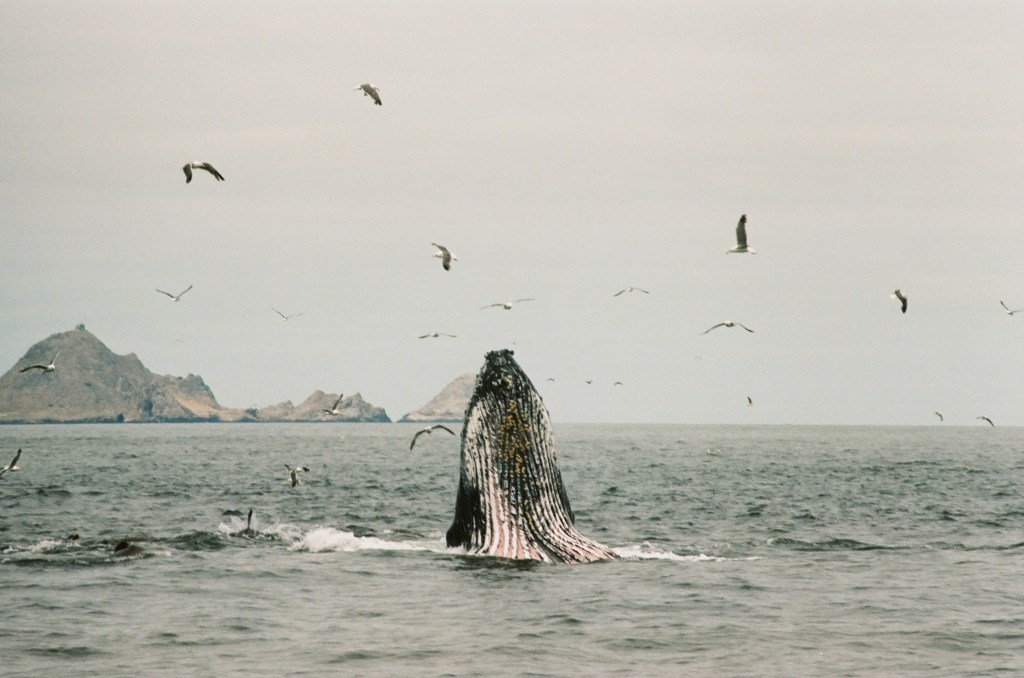
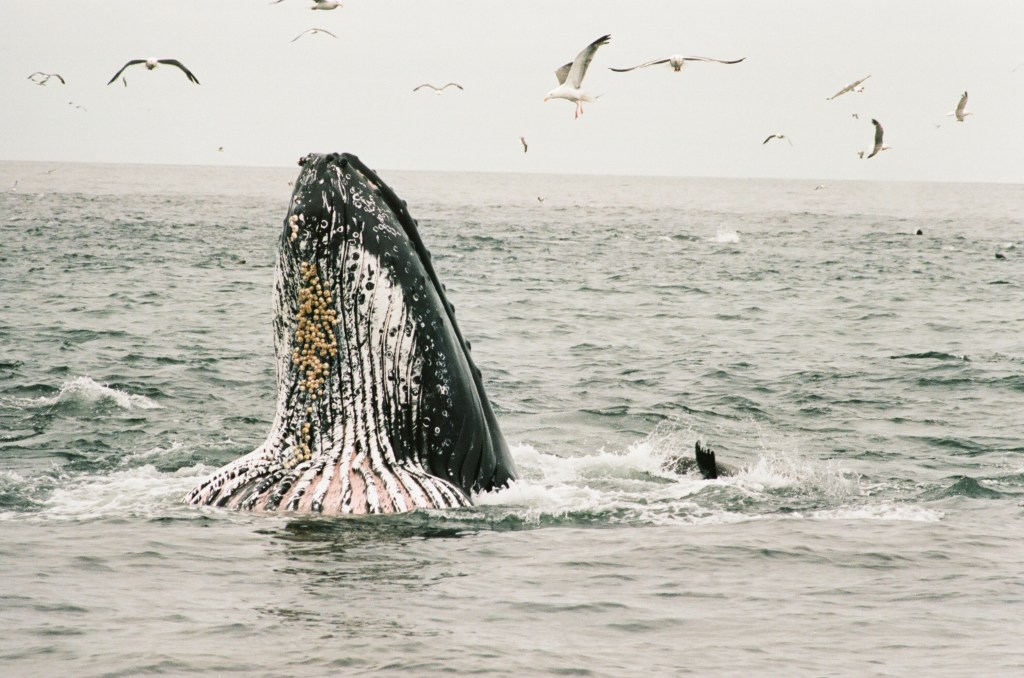
This was my second trip with Alvaro’s Adventures to the Farallons. Last time, we left from Half Moon Bay. I had brought my film camera with a 300mm lens so I was the talk of the boat. Gena, my cousin who went with me, also became boat famous for asking hard-hitting questions like, “What’s so special about this bird?”. Here are some pictures from my trip two years ago, all shot on Ilford HP5 and Kodak Portra film on a Canon AE-1 with a 300mm F4 or something lens. I have to like toot my own horn here– these are pretty good! We also had extra great luck with animal spotting on this trip which was later in the summer.
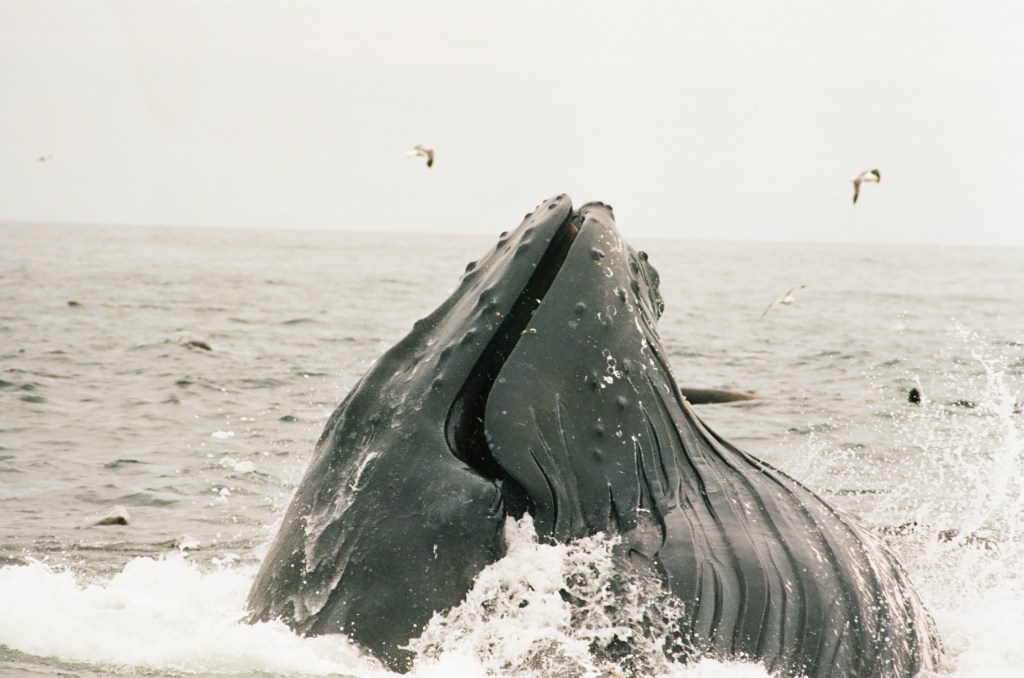
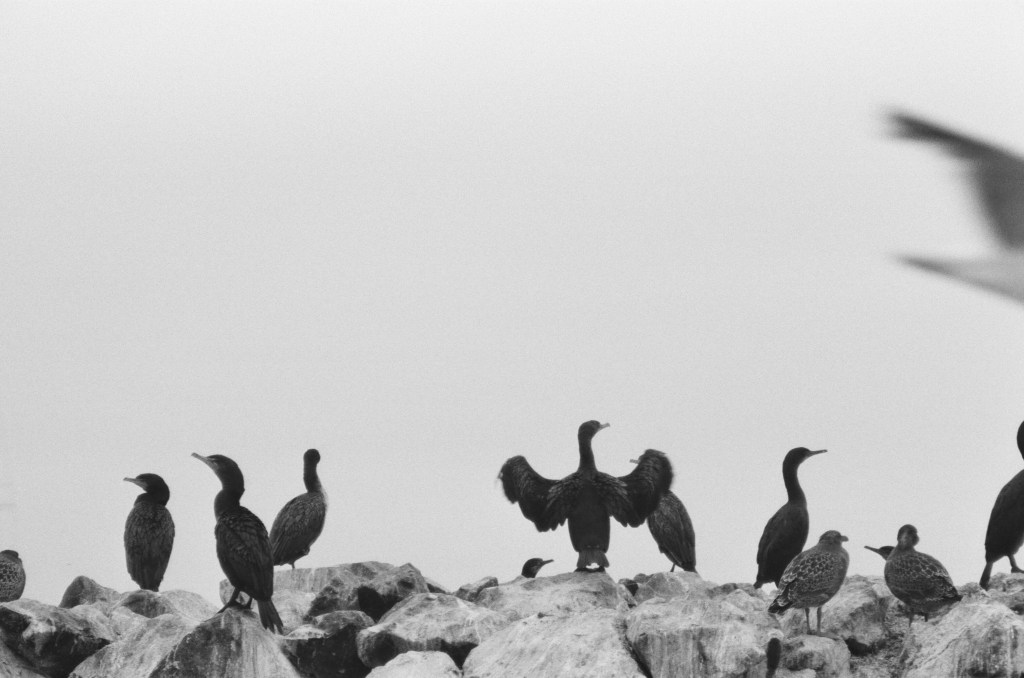
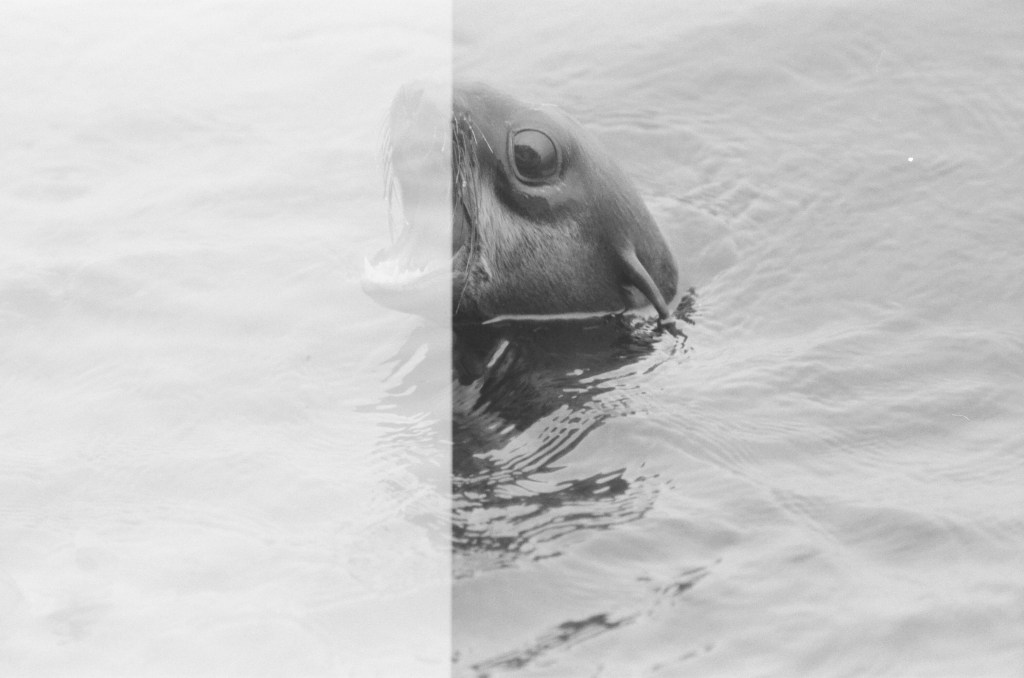
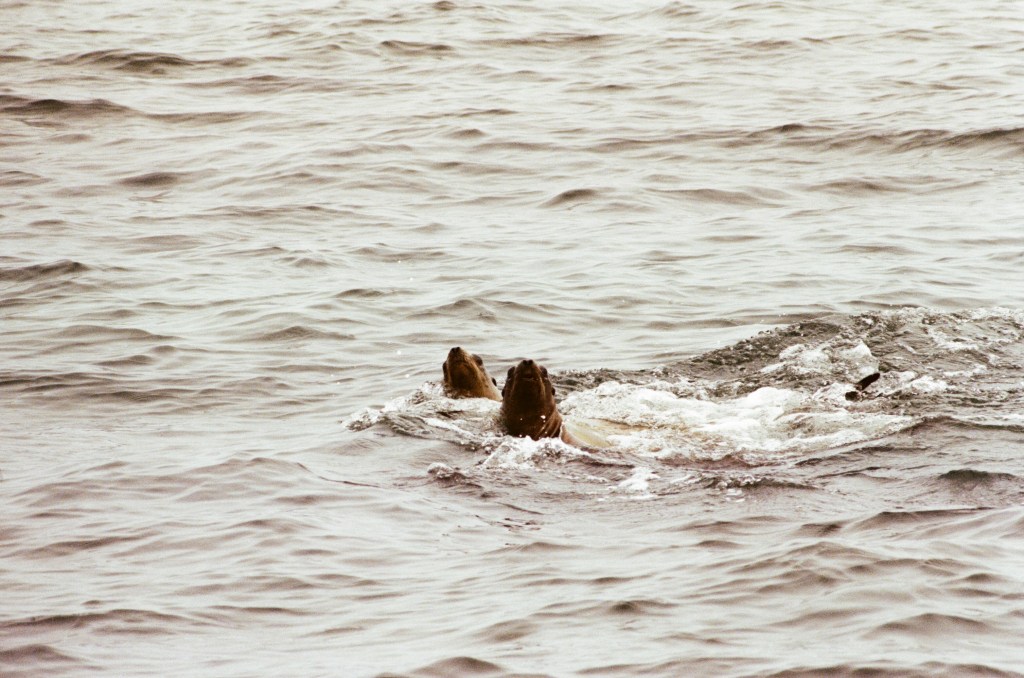
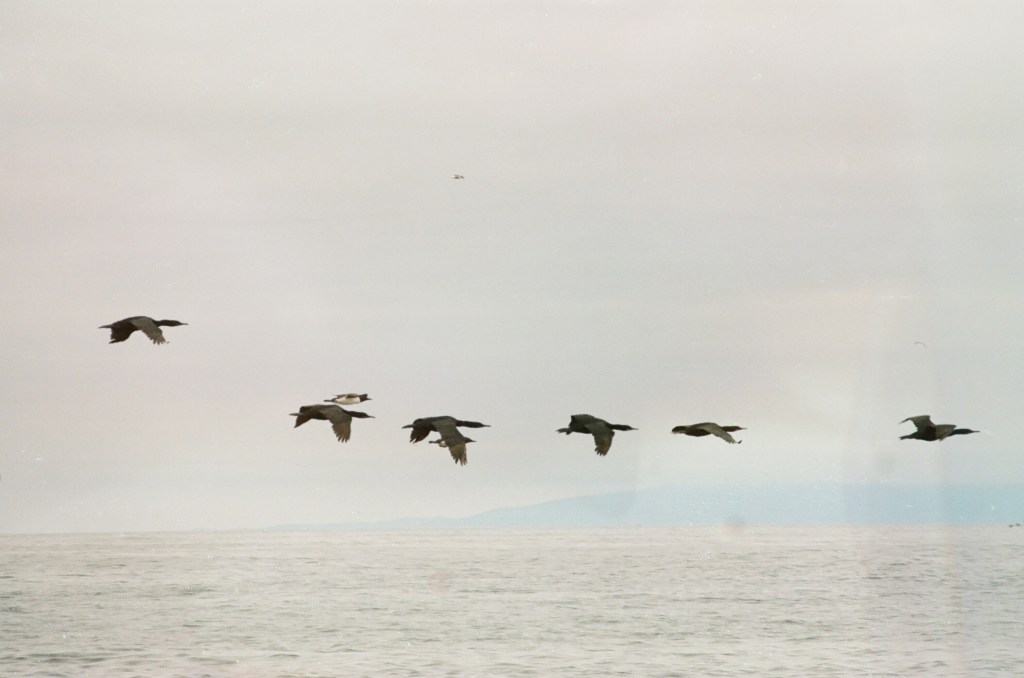
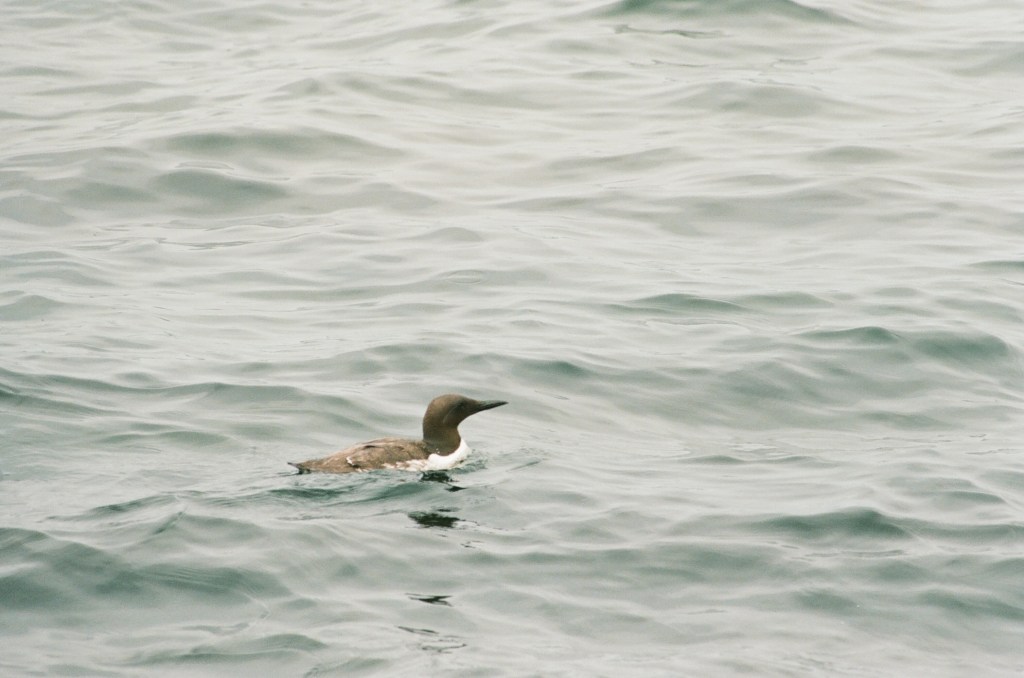
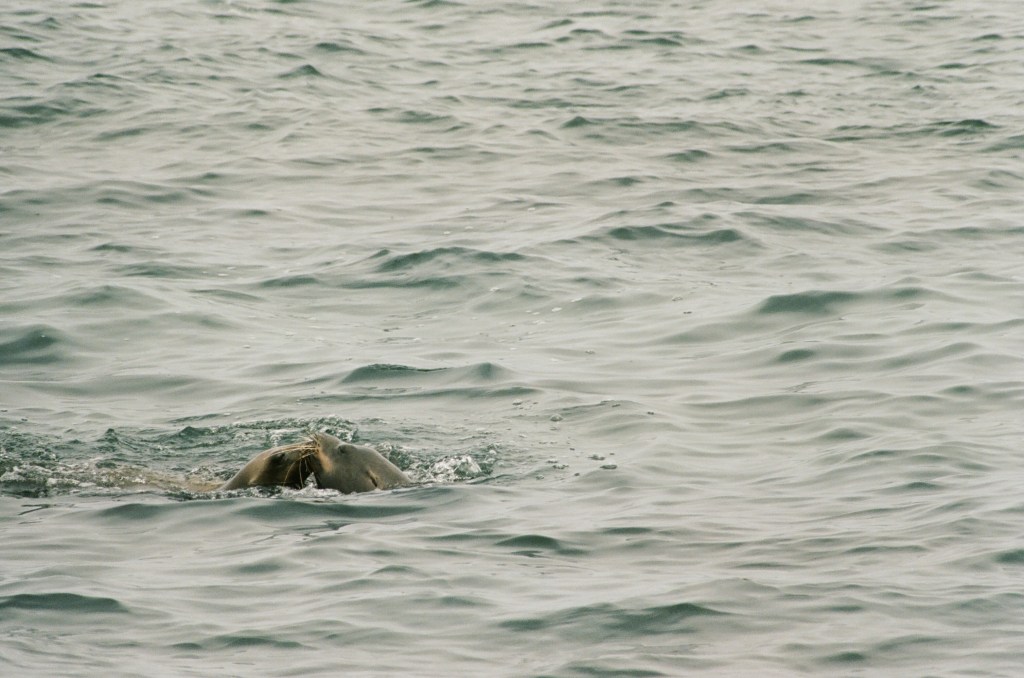
This trip, none of my group achieved celebrity status and I brought my digital zoom camera again. After the trip had been moved back a week due to high winds, we departed from Sausalito on Sunday around 8 am.
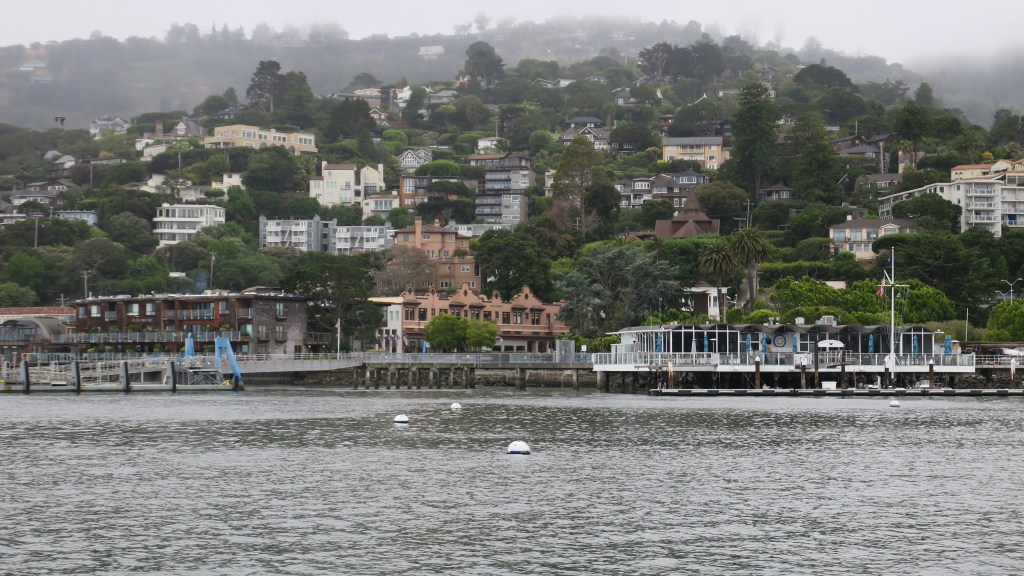
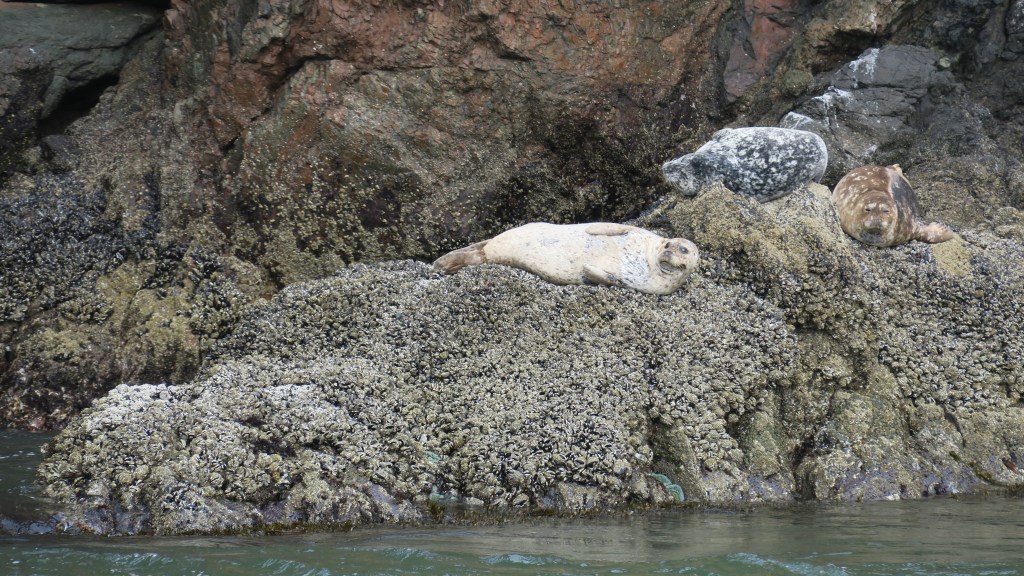
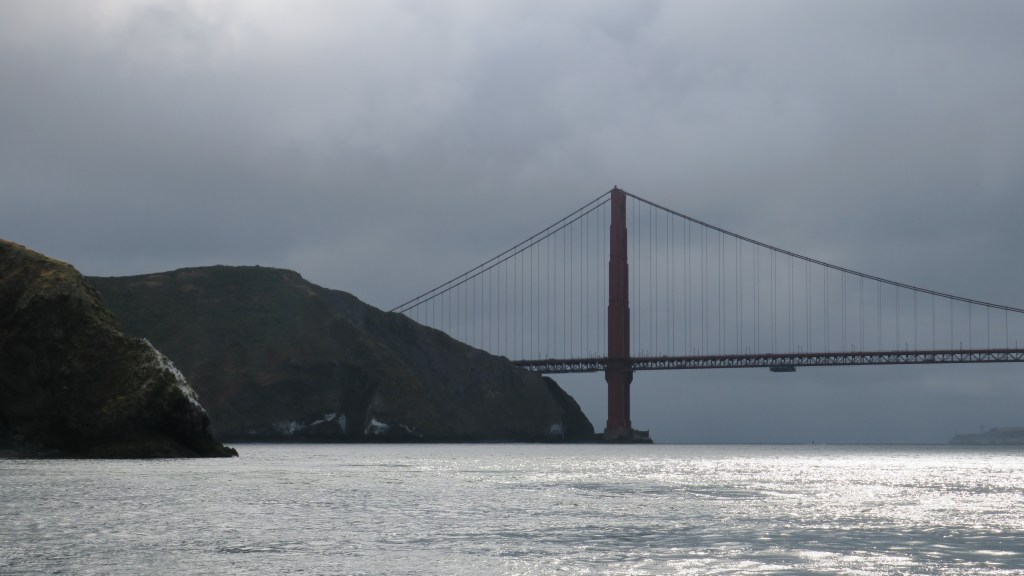
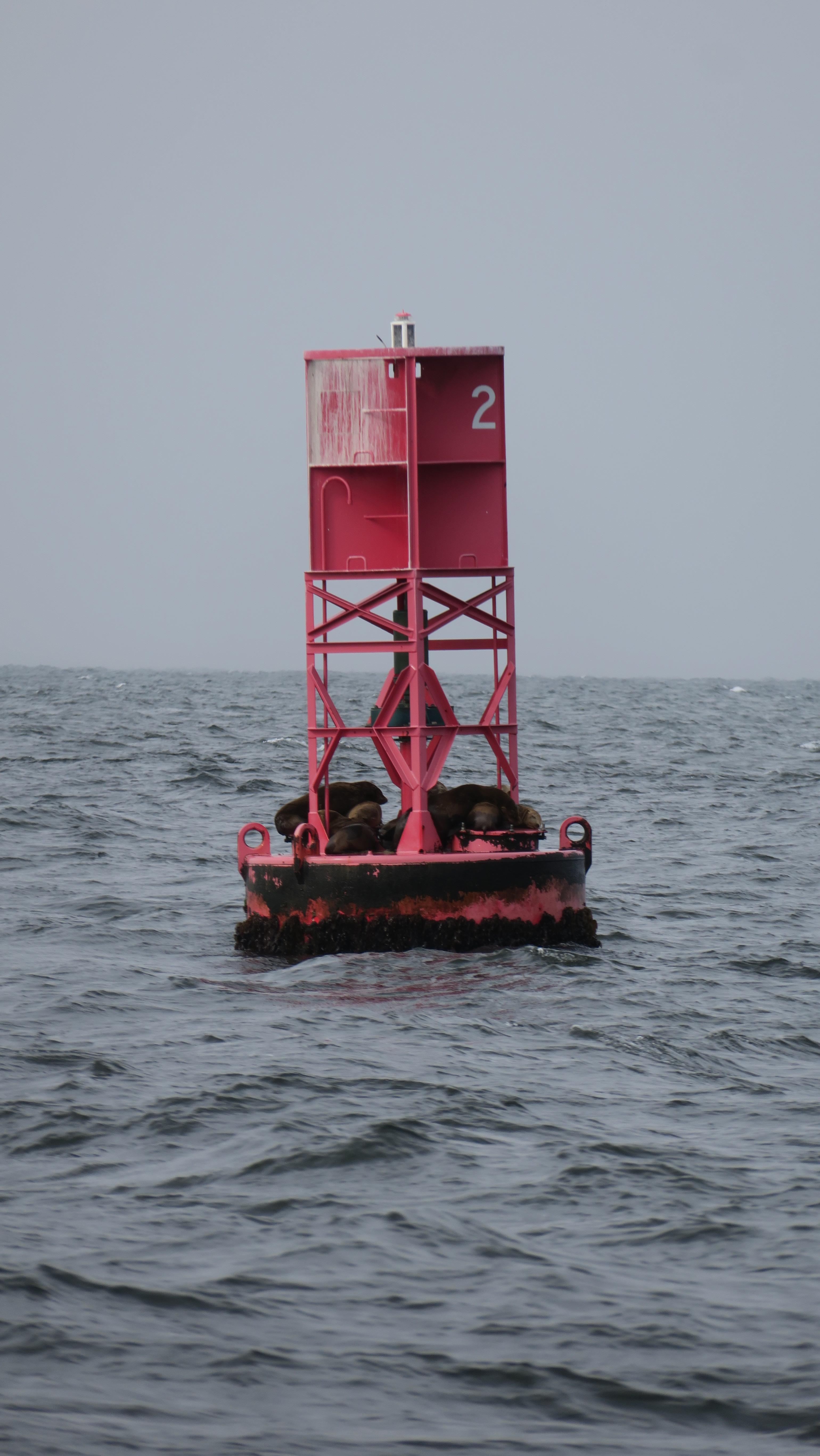
Right away we saw many different birds and animals, including Harbor Seals, California Sea Lions, Harbor Porpoises, Surf Scoters, Pelicans, Grebes, etc. There were 3 bird pro spotters on the boat in addition to Alvaro so people would point things out right away, which was very dope. They also do a concierge eBird list creation service!
The ride out to the Islands from Sausalito took a little over 2 hours. We stopped occasionally on the way there to see a bird but for the most part headed straight out to sea.
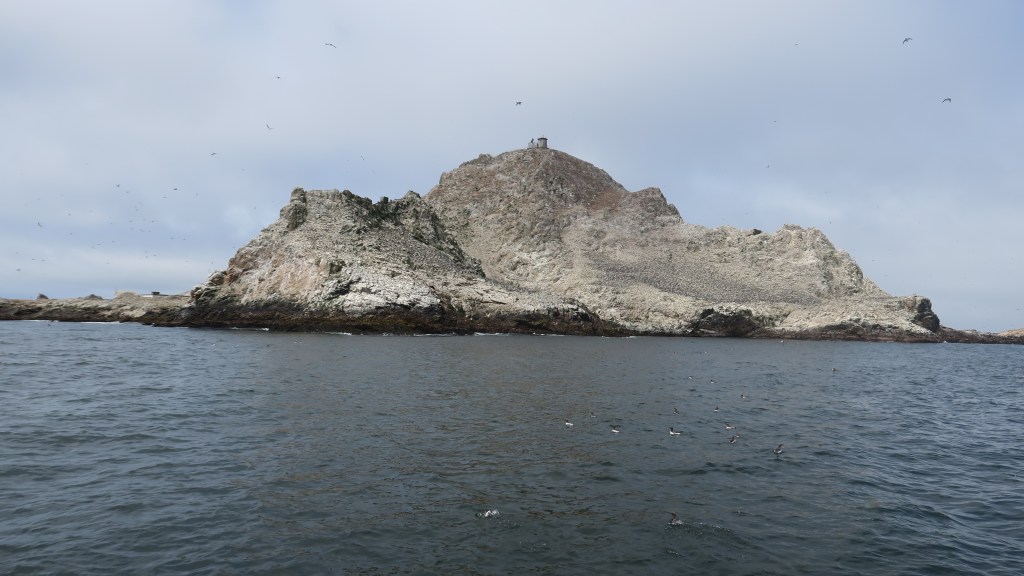
Once we reached the islands, we circled them to spot birds before heading farther to sea, to the continental shelf, where the ocean becomes profoundly deeper and scarier. The islands themselves are strange and beautiful and sound like the audience of an arena concert. There are like hundreds of thousands of screaming pinnipeds and birds. They also smell bad, even from a safe distance! Cool!
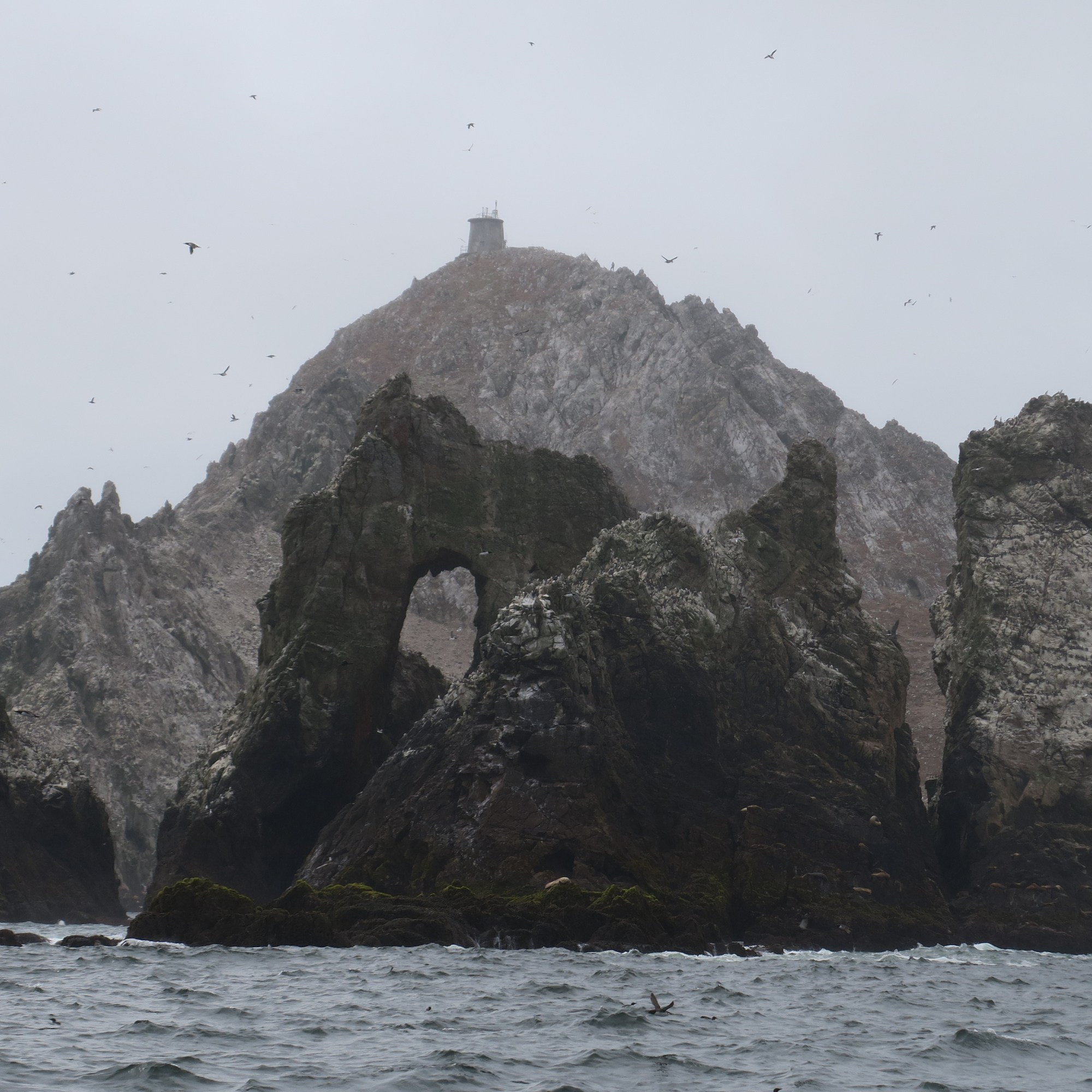
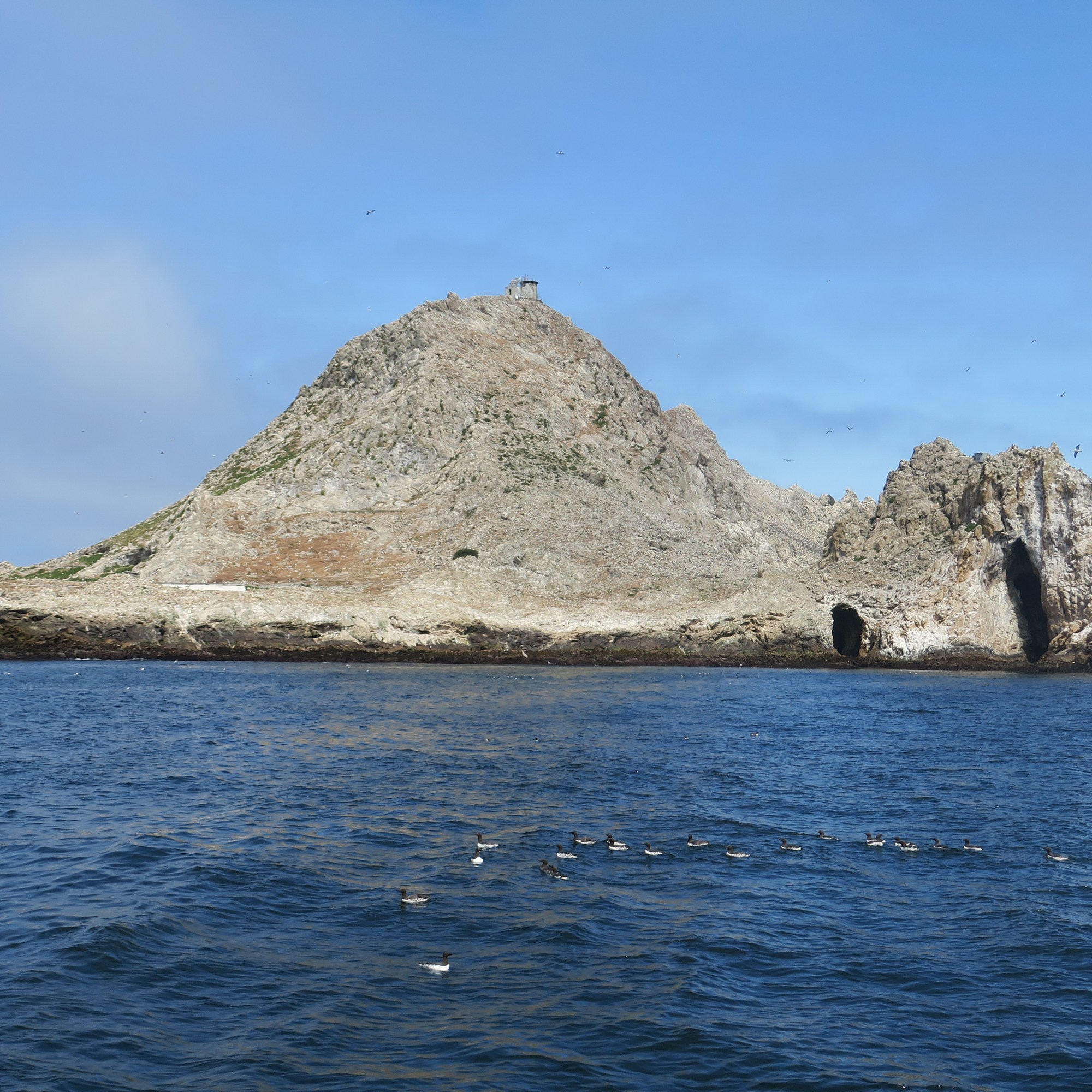
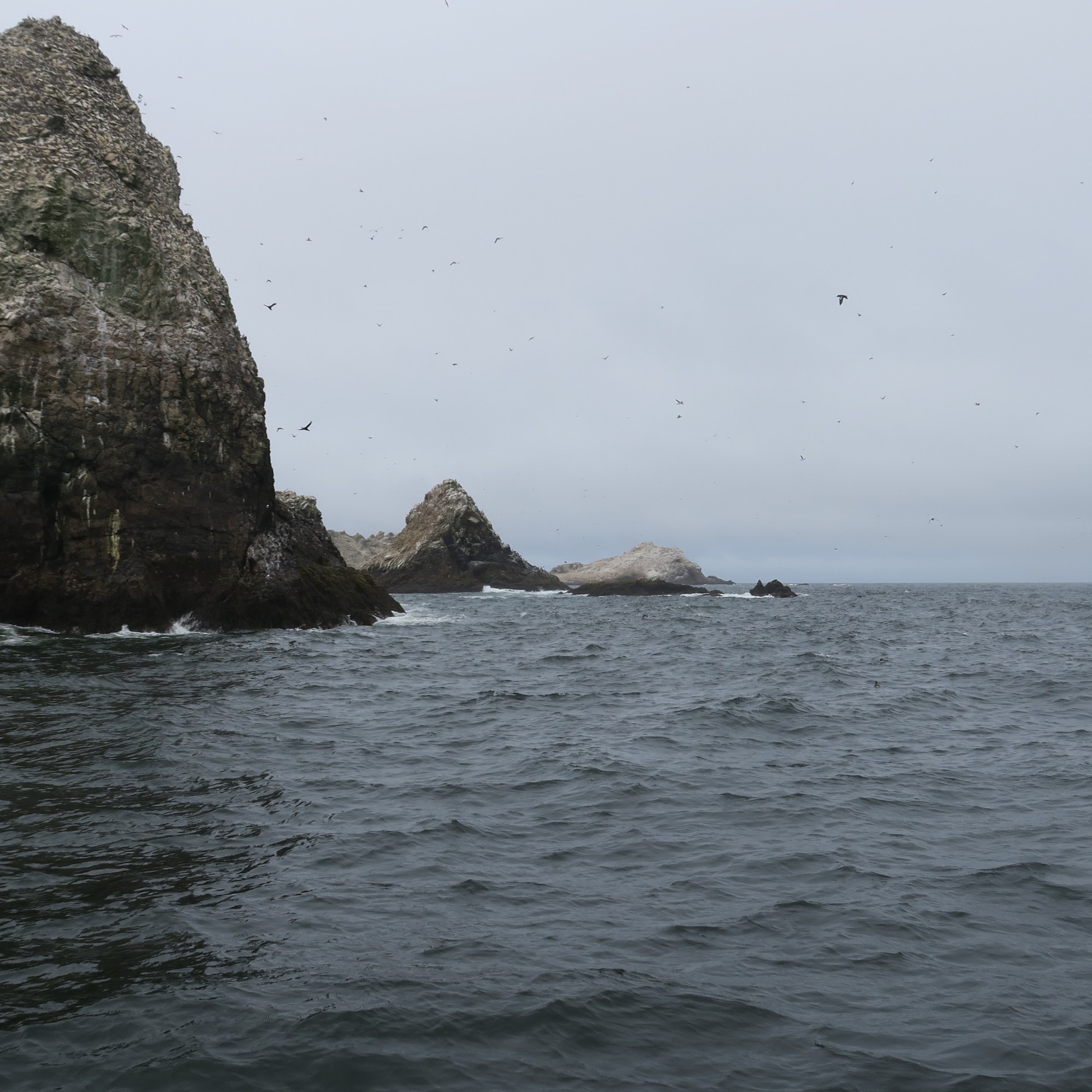
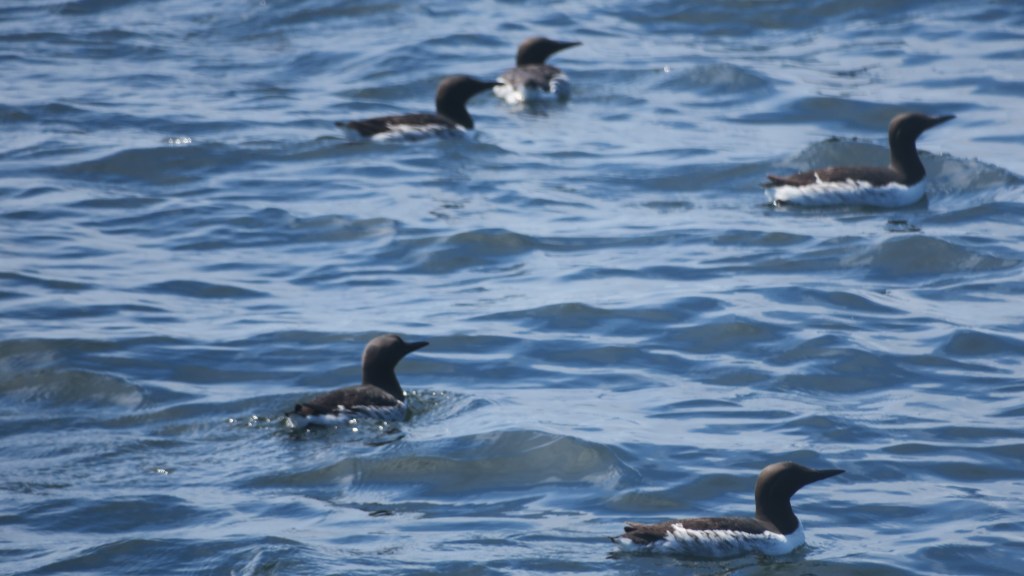
By far the bird we saw the most were Common Murres (200,000+). Murres have a penguinish look about them with their black and white coloring and torpedo shaped bodies. Murres are nesting now on the Farallons in these insane numbers, and are all over the nearby ocean floating with their friends before taking deep dives (up to 600 ft!!!!) to catch fish.
In the mid 1800s, the Farallons became a hot spot for egg farming. Because California had no poultry industry at the time (?), people relied on Common Murre eggs to get their sick egg-eating fix met. In 1854 alone over half a million seabird eggs were gathered for sale to San Francisco restaurants–horrifying. In 1863, this culminated in a battle where people literally died over egg rights to the Farallons. Dying over eggs?? Could not be me. Commercial egg stealing was finally outlawed in 1896. Since then, Murre numbers have gone back up, but still not as high as they were pre Egg War BS. For more information on Humans v. Farallons history, check out this article from the GGAS.
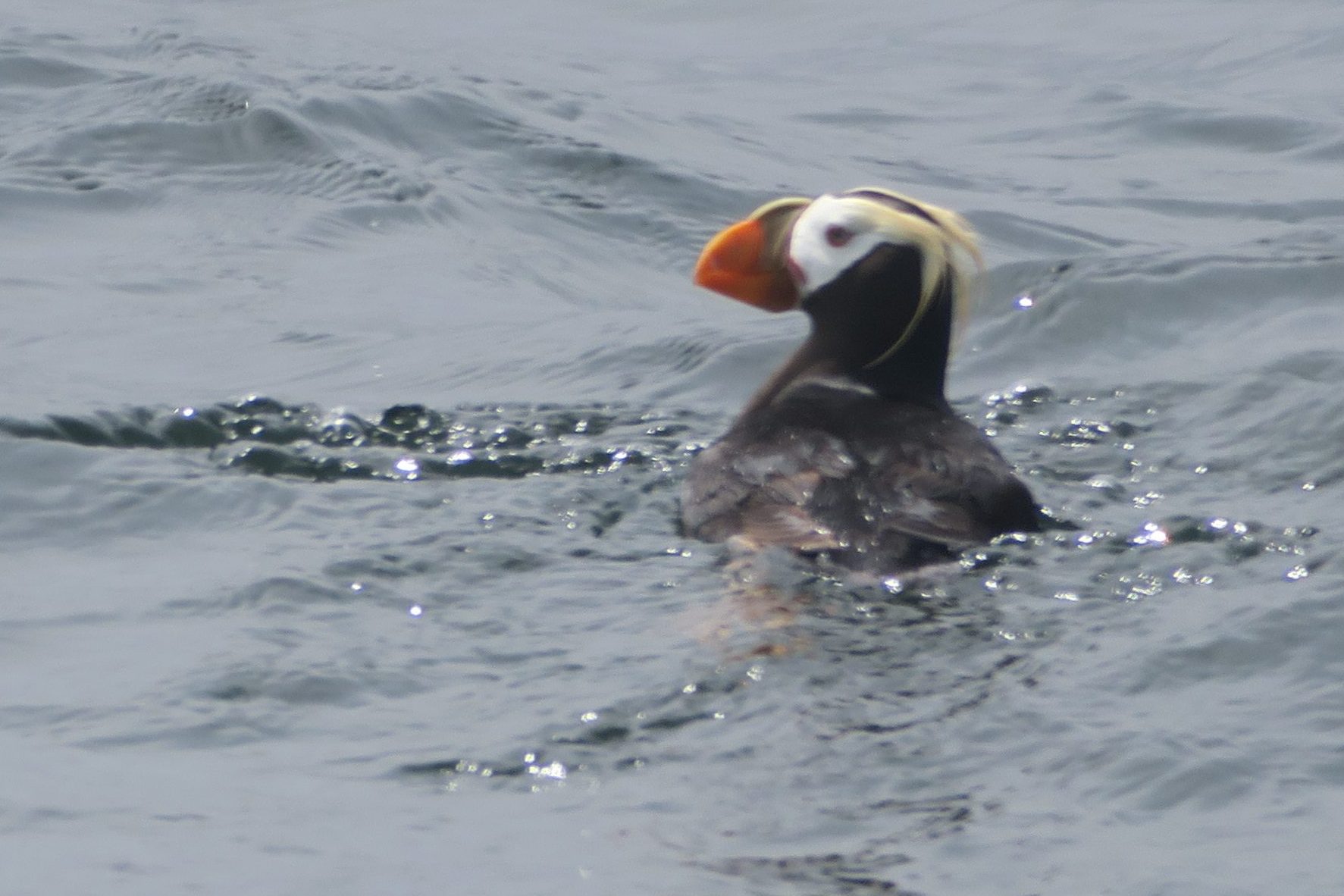
The main way I bamboozled by N2B (New to Bird) friends into going on this trip was talking about the Tufted Puffins. Tufted Puffins are incredibly cute and even the most bird-averse person would love them.
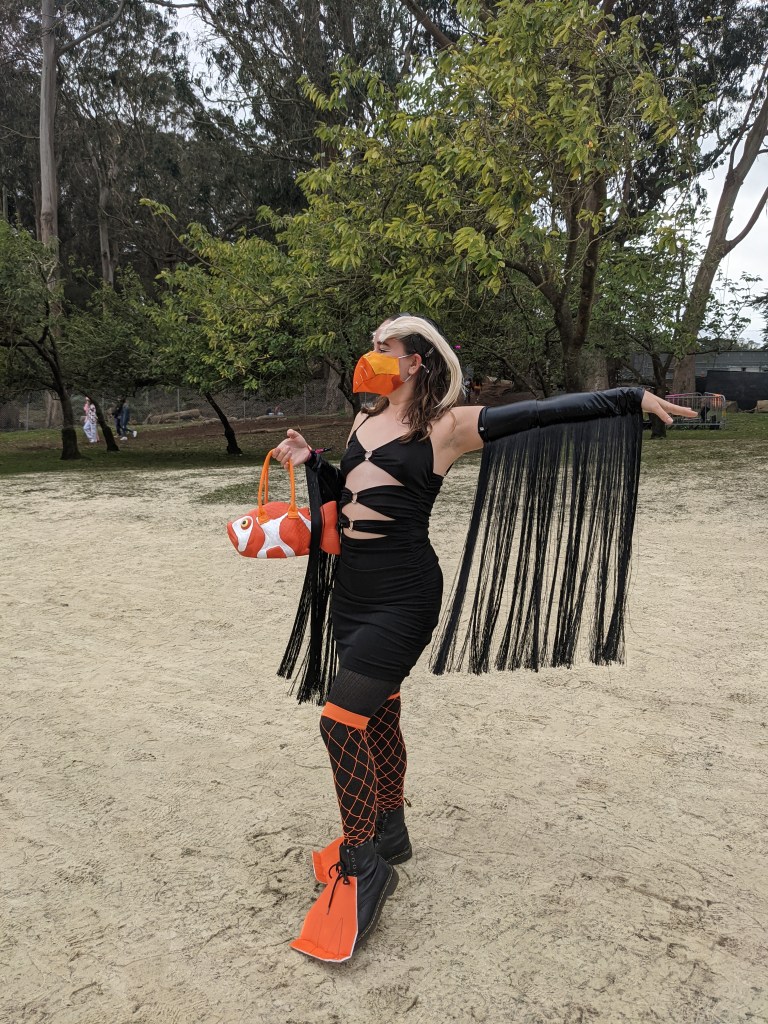
The Farallons is about as south as you will ever see these guys! They nest on the Farallons and spend the rest of their time in this part of California zooming around like a bewingéd football and eating. Most of their lives are spent at sea, only spending summers on land to nest. Their giant beaks help them gather up to 20 fish while underwater and their platinum blonde tresses help them be extremely slay.
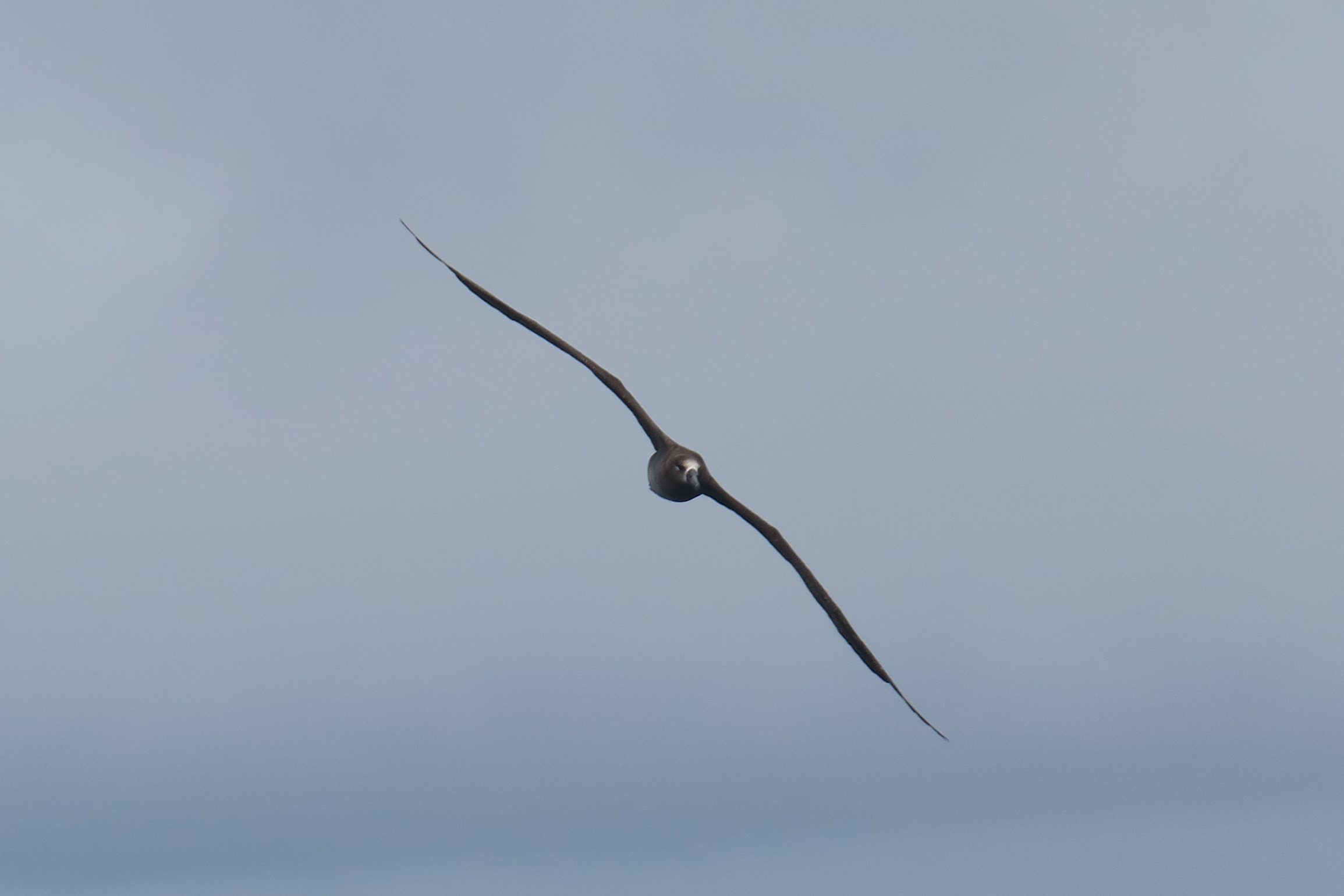
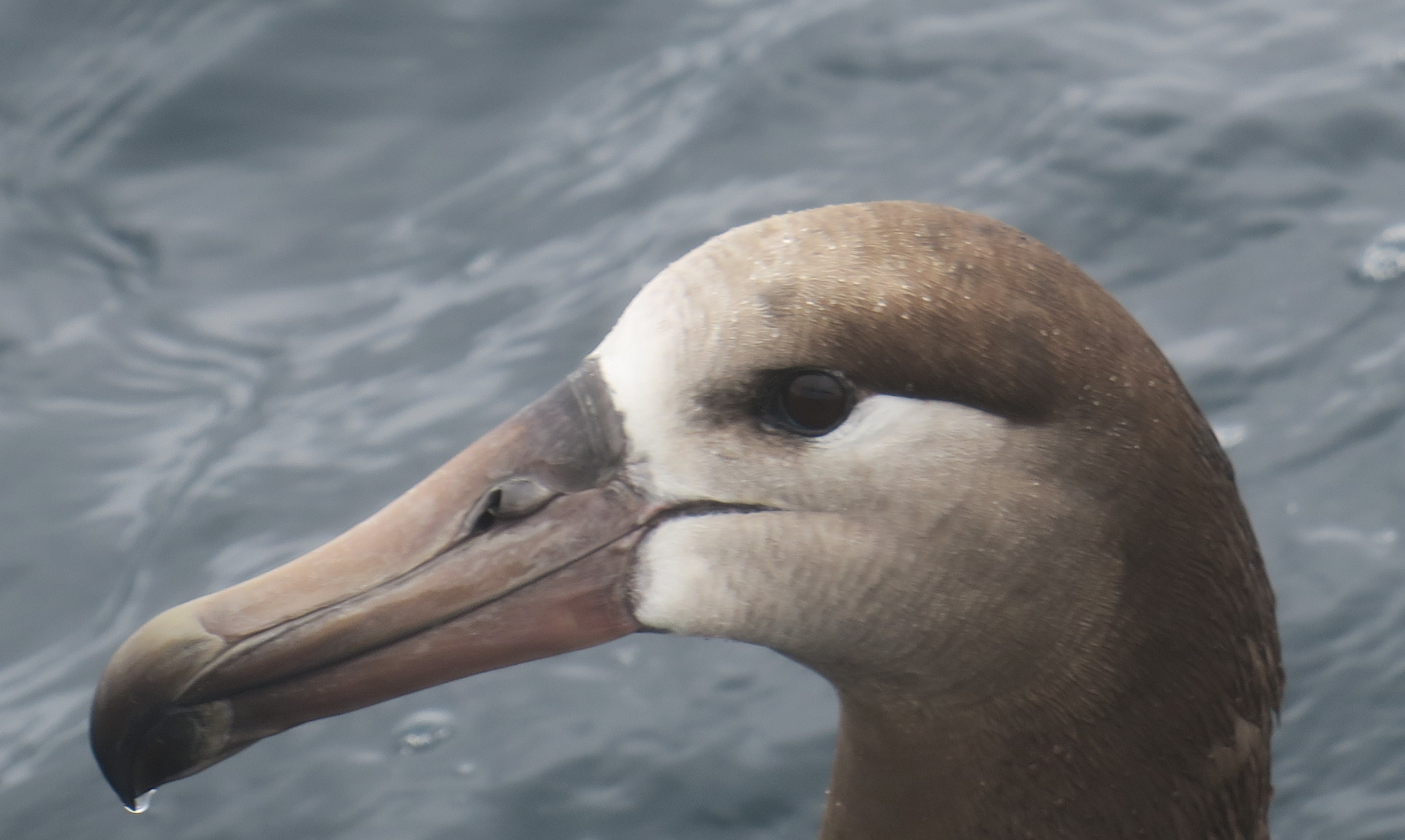
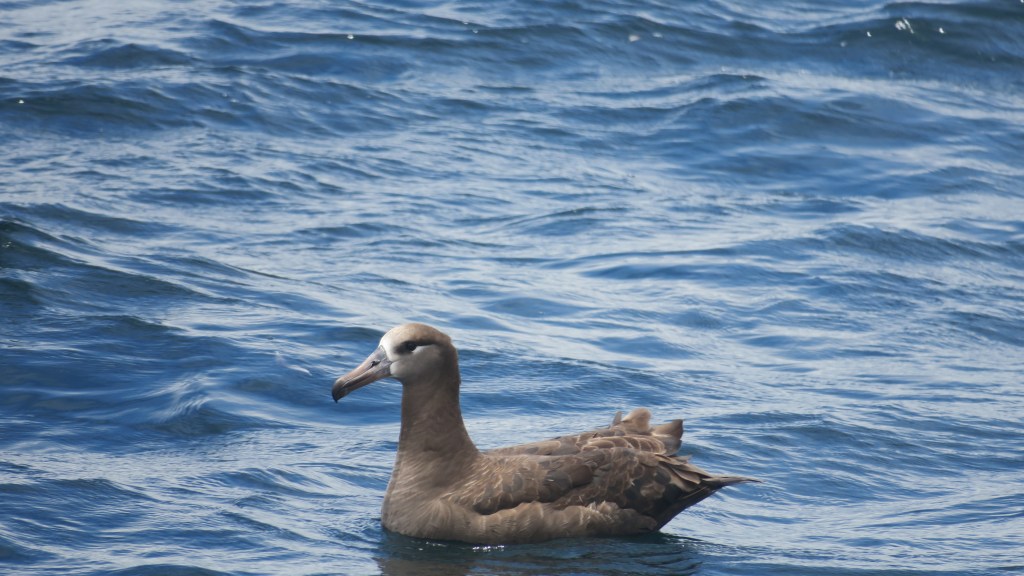
My avian highlight of the trip was seeing a Black-footed Albatross. I saw several on my last outing and was hoping to see more. In total, we saw around 7! They are huge birds with up to seven ft wingspans; their wings are so big they have to origami fold them twice to put them back against their bodies. They spend almost all of their time at sea and have evolved unique abilities to make that kind of lifestyle (pelagiccore) easier. They use very little energy flying with infrequent wing flapping, and are able to drink salt water and smell stuff over great distances thanks to their special tubular noses.
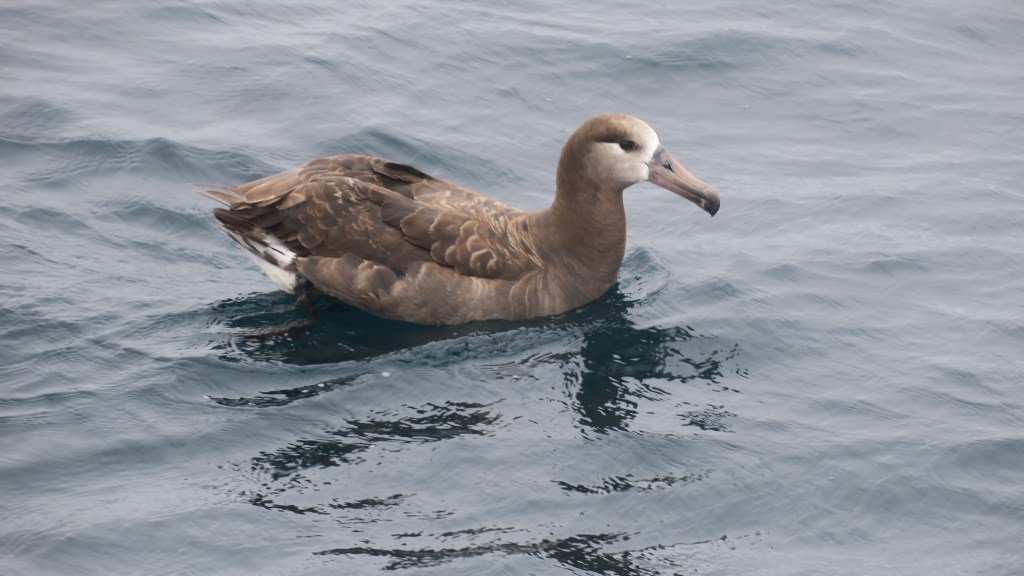
In my research on these bad boys, I learned that all but 2.5% of the BFA population is found among the Northwestern Hawaiian Islands, which makes seeing them in California even more special!
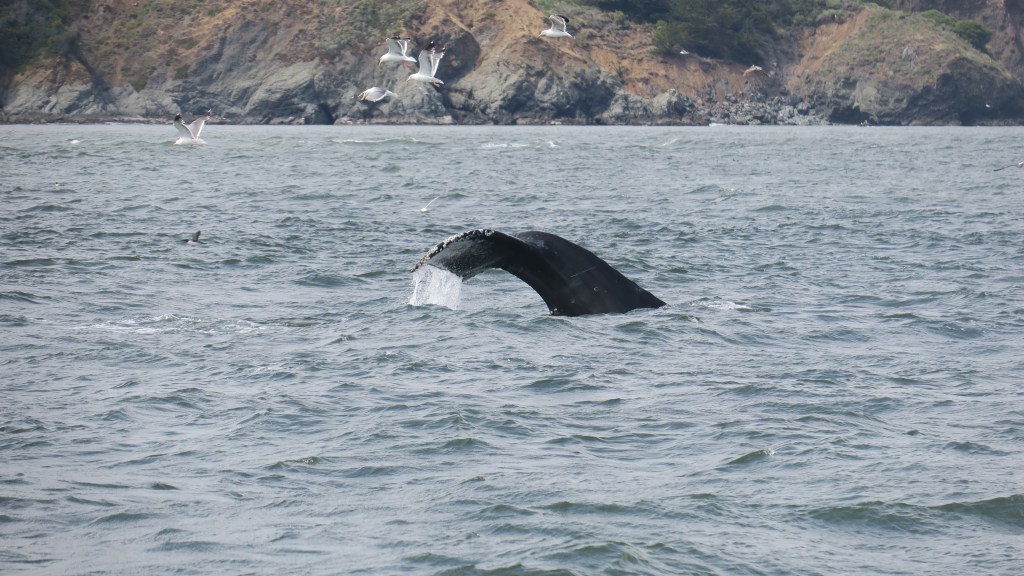
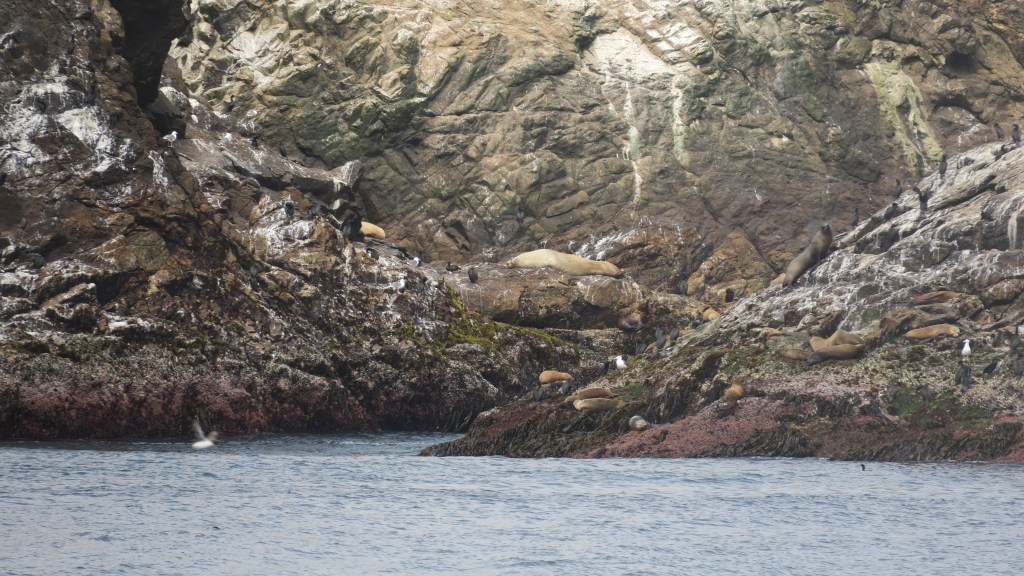
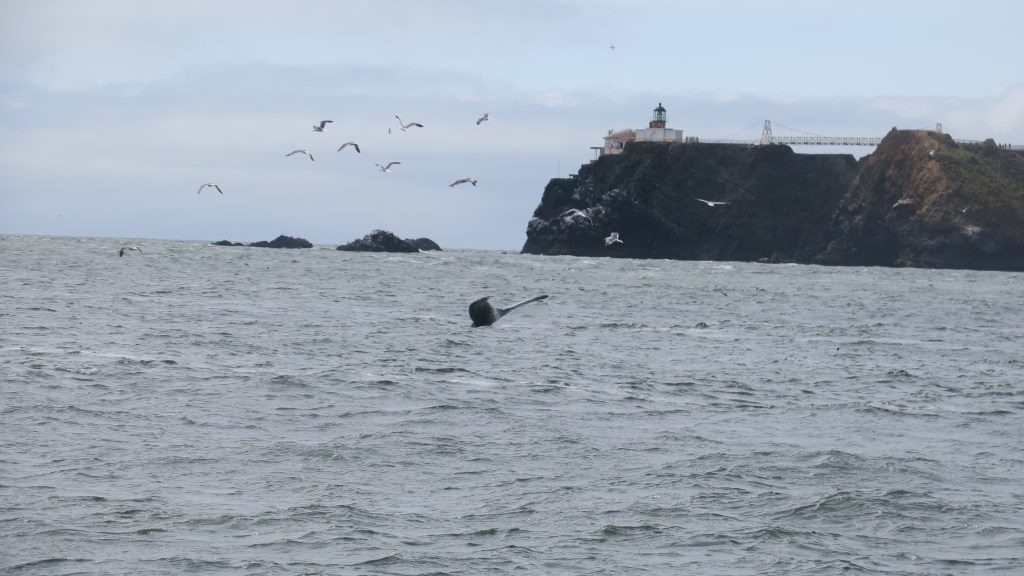
In addition to birds, we saw several other creatures, most notably Humpback Whales, some sort of dolphin, Fur Seals, Steller’s Sea Lions, and even a SHARK!!! I was way too slow on the shark so do not have a photo but the consensus was that it was a Salmon Shark. It was right behind our boat!
All in all, we saw 25 species in very high numbers! I am now at 207 birds for 2023 and I added two N2MBs to my life list, bringing it to 392.Here’s the trip report.
I next plan on recapping my AZ Big Day from May and continuing to post about little trips I take here and there. I’m also planning on doing another pelagic trip with Alvaro’s adventures later this summer or in early fall, so stay tuned!


Leave a Reply